

SupraFusion's Ph.D. Students - Episode 3: Hugo Sourice
Meet the young researchers at SupraFusion!
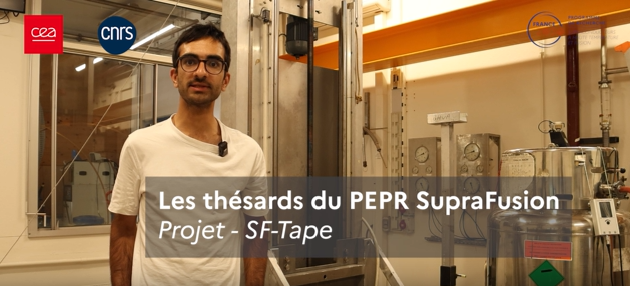
In this new episode of our series “SupraFusion PhD Students, ” let’s meet Hugo Sourice, a PhD student working on the SF-Tape project in Grenoble.
Through this series of profiles, the SupraFusion PEPR gives a voice to the Ph.D. students who contribute, day in and day out, to advances in nuclear fusion research.
In this episode, Hugo gives us a glimpse into his daily life as a young researcher and introduces us to his work on the SF-Tape project. He discusses his research, the experiments that shape his journey, and the challenges he faces.
Because scientific research also involves trials, trial and error, and sometimes disappointments. As he points out in his account, the results aren’t always what you hope for: “Sometimes it brings joy, sometimes sadness because it doesn’t work… but that’s what makes the work so wonderful.”
An authentic account that illustrates the reality of research work and the dedication of young scientists who are helping to tackle the technological challenges of nuclear fusion.
🎬 Check out Hugo’s profile in this new episode of SupraFusion’s “Thésards”!

SupraFusion Holds Its First Scientific Advisory Board Meeting at CEA Paris-Saclay
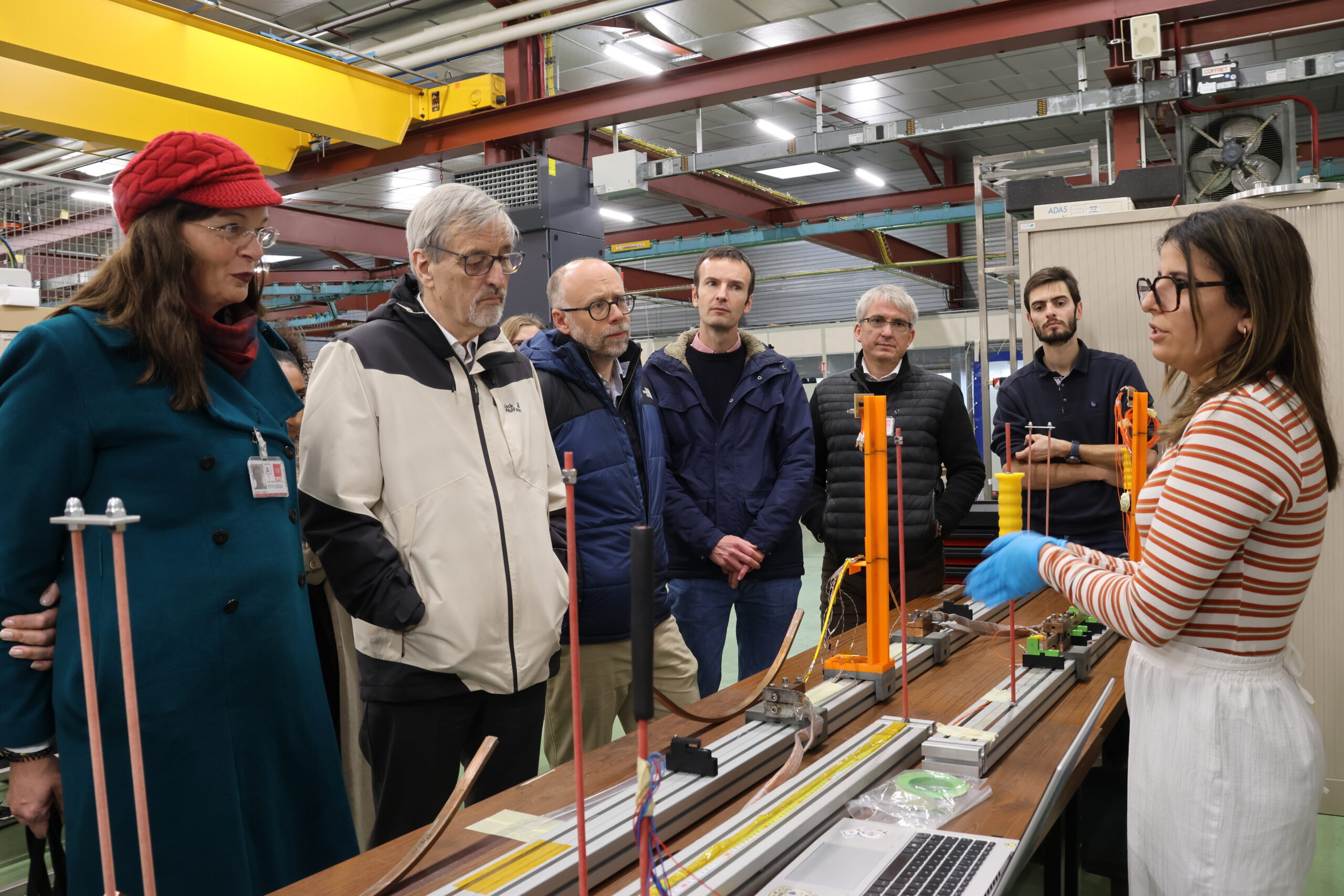
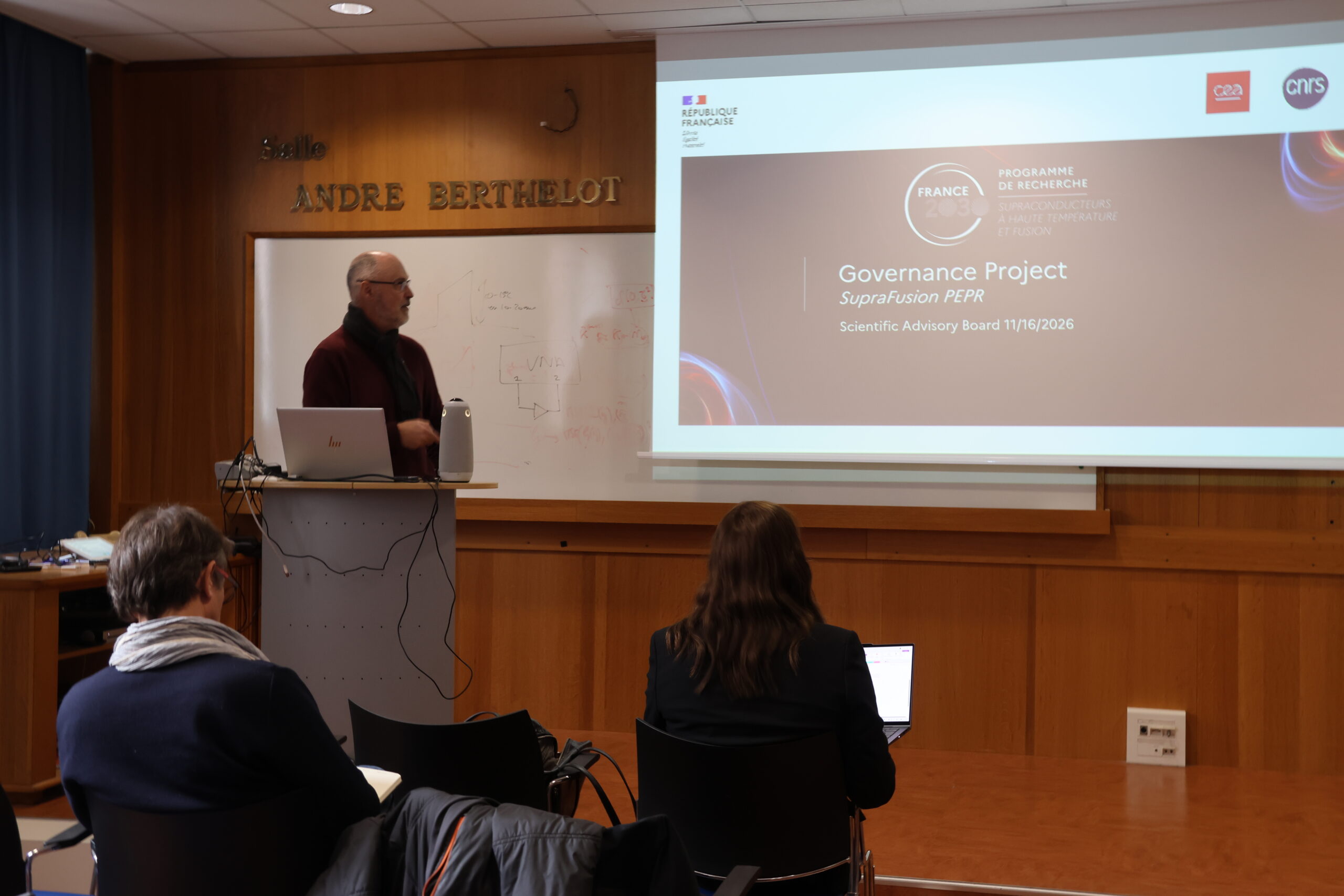
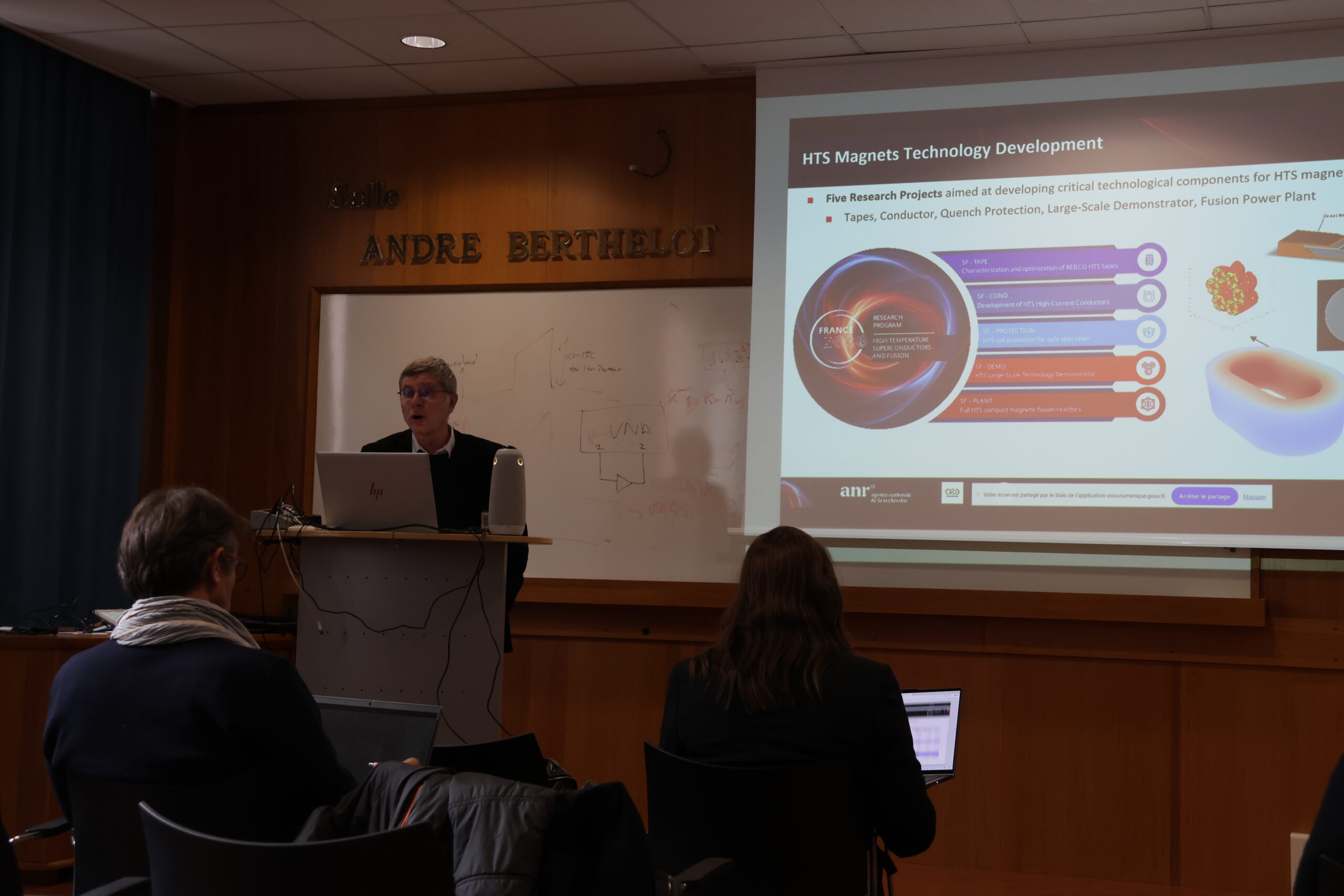
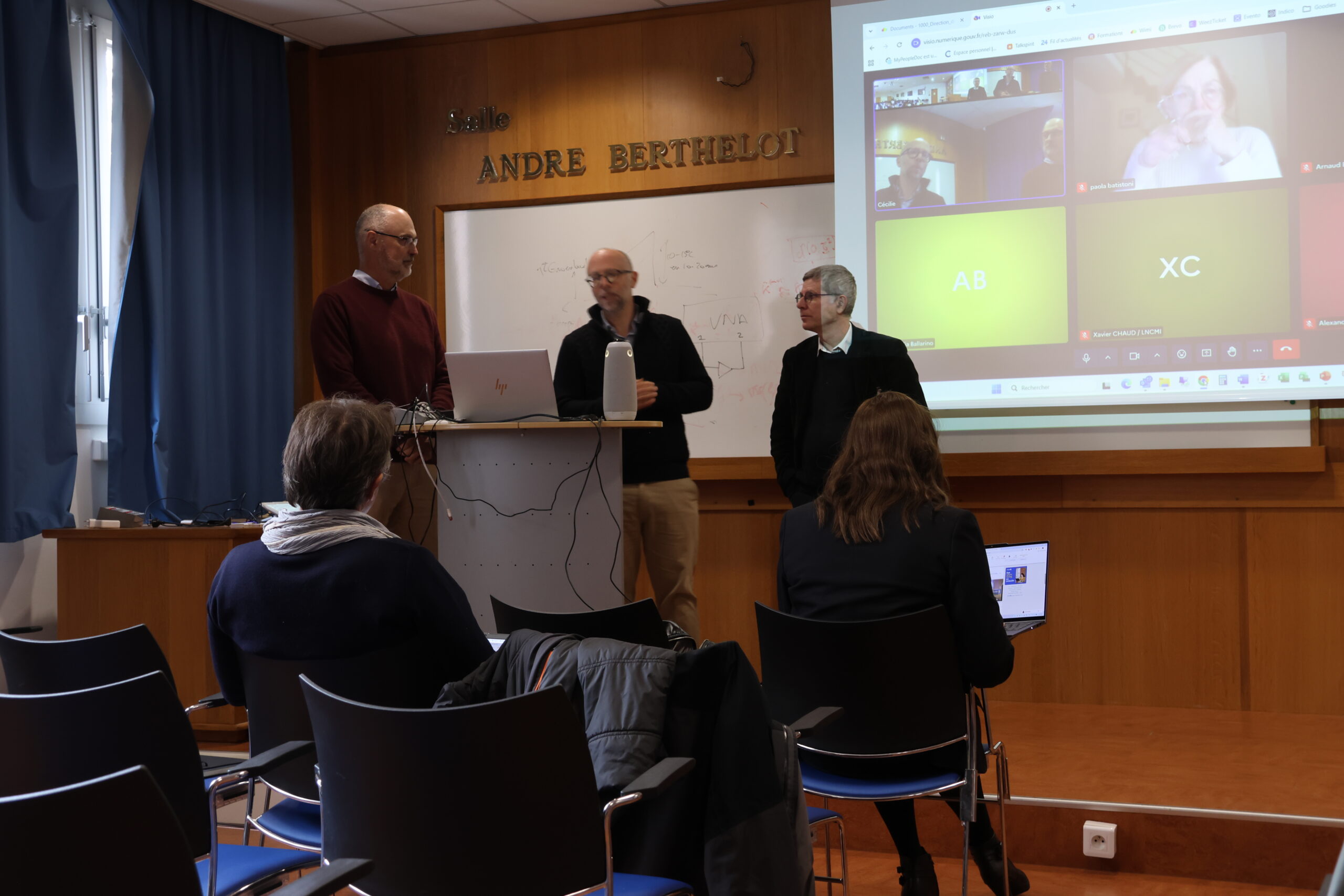
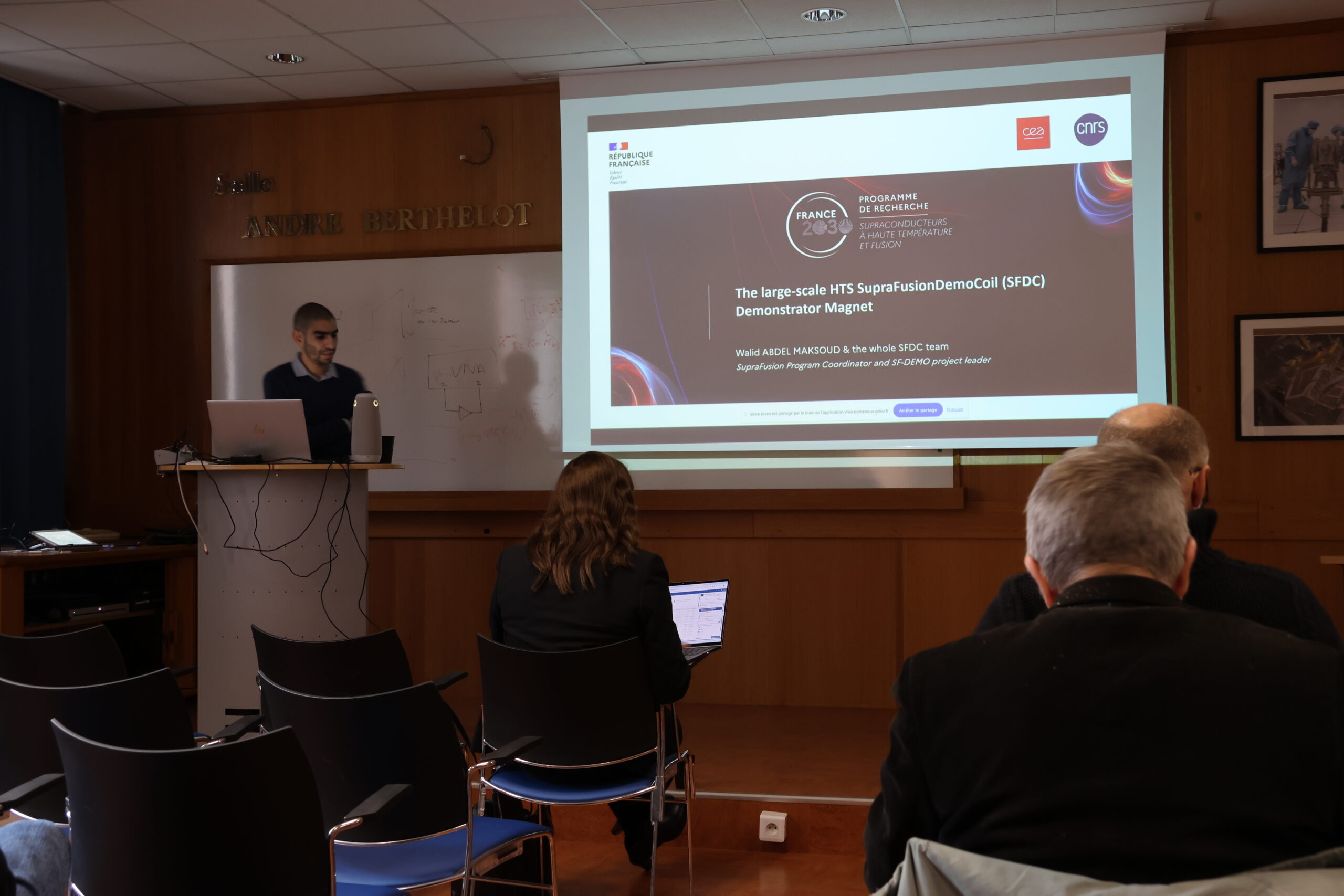
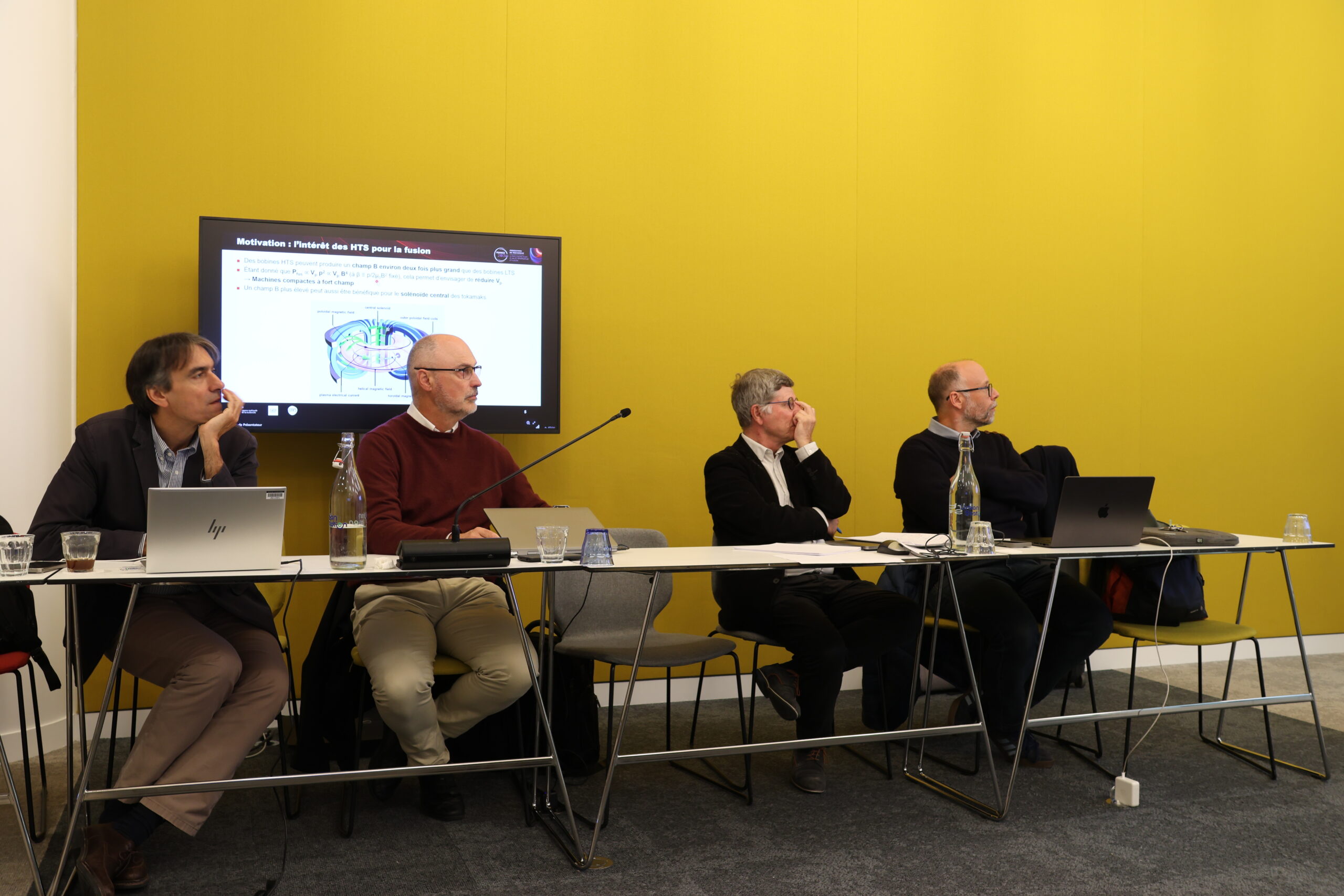
On November 16 and 17, 2026, the PEPR SupraFusion organized the first meeting of its Scientific Advisory Board (SAB) at the CEA Paris-Saclay. The two-day event was dedicated to evaluating the program’s scientific progress, engaging with international experts, and discussing research prospects in the field of nuclear fusion.
Consisting ofinternational experts Composed of high-level experts in the scientific and technological fields covered by SupraFusion, the Scientific Advisory Board is tasked with providing an external and independent perspective on the program. It contributes to evaluate sound scientific positioning, to review the results results and to formulate strategic recommendations to guide its future direction. The committee meets once a year and produces a report summarizing its observations and recommendations.
A committee composed of international experts
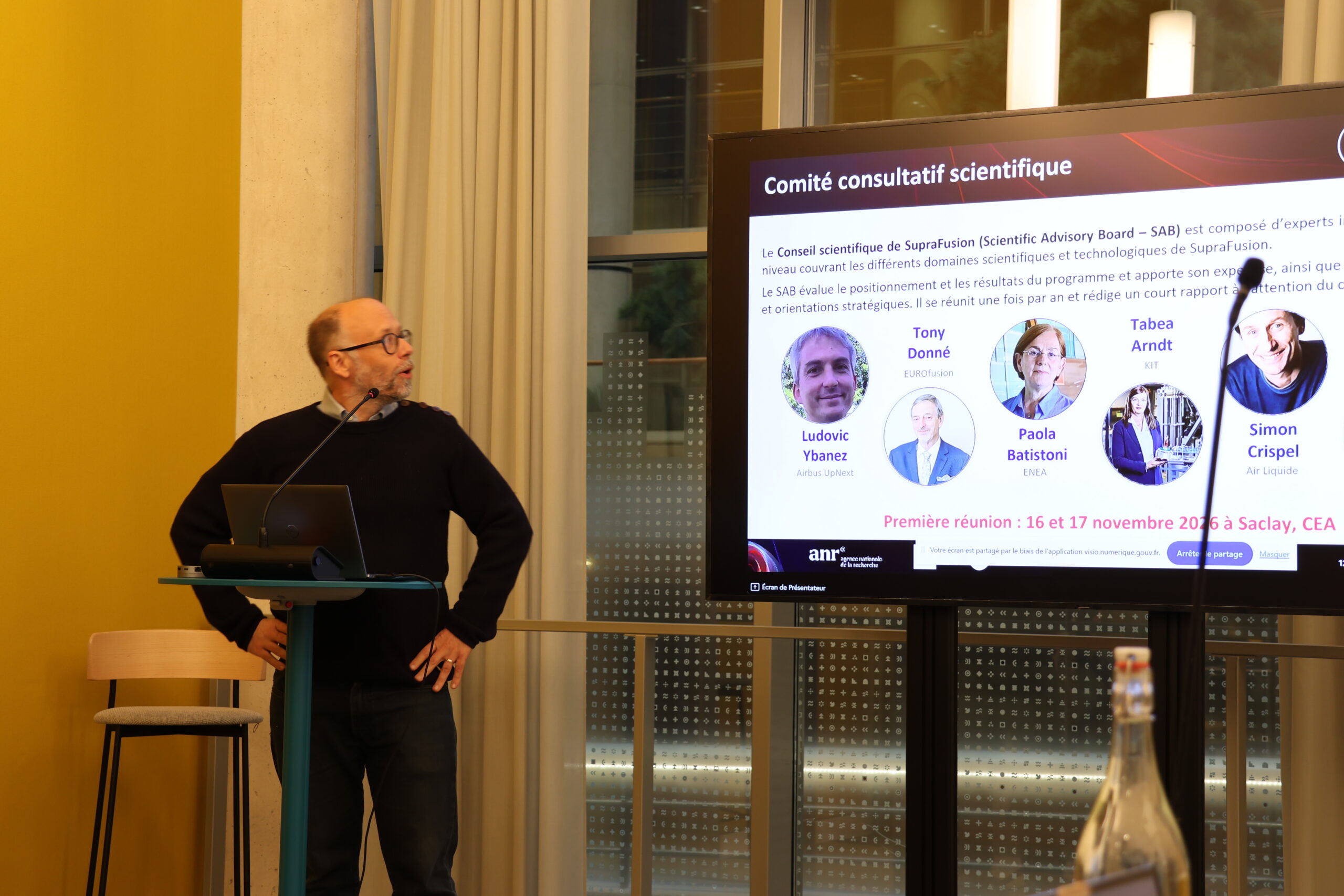
The Scientific Advisory Board brings together six experts who are recognized in their respective fields: Amalia Ballarino (CERN, Switzerland), Tabea Arndt (Karlsruhe Institute of Technology, Germany), Tony Donné (former Executive Director of EUROfusion), Simon Crispel (Air Liquide Advanced Technologies), Paola Batistoni (Fusion for Energy, Italy), and Ludovic Ybanez (Airbus UpNext).
Their complementary areas of expertise cover a wide range of scientific and technological fields, from plasma physics to superconducting technologies, including industrial systems and applications. This diversity is a major asset in providing a cross-disciplinary perspective on the work and goals of the SupraFusion program.
Two days of discussions on the scientific advances of SupraFusion
This first edition provided an opportunity for the program’s various projects to present their work, their progress, and related research prospects. These presentations led to in-depth discussions with committee members, allowing for a comparison of scientific approaches, the sharing of expertise, and the identification of avenues for further consideration as the program moves forward.
Beyond evaluating the results, these discussions provided a valuable opportunity to take a step back and reflect on SupraFusion’s scientific and technological direction in a field that is constantly evolving.
Meeting the Teams and
Tour
of the Facilities at CEA Paris-Saclay
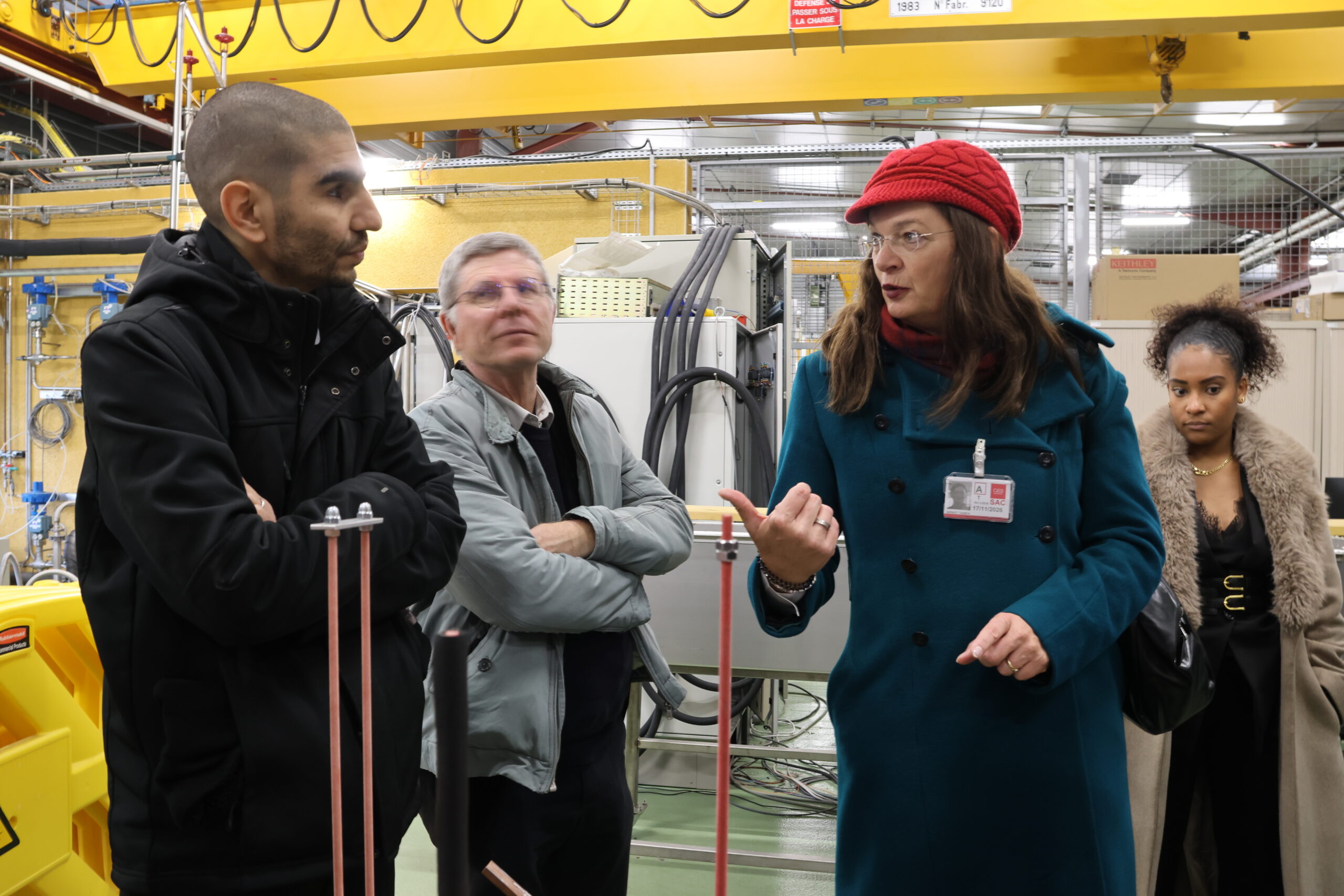
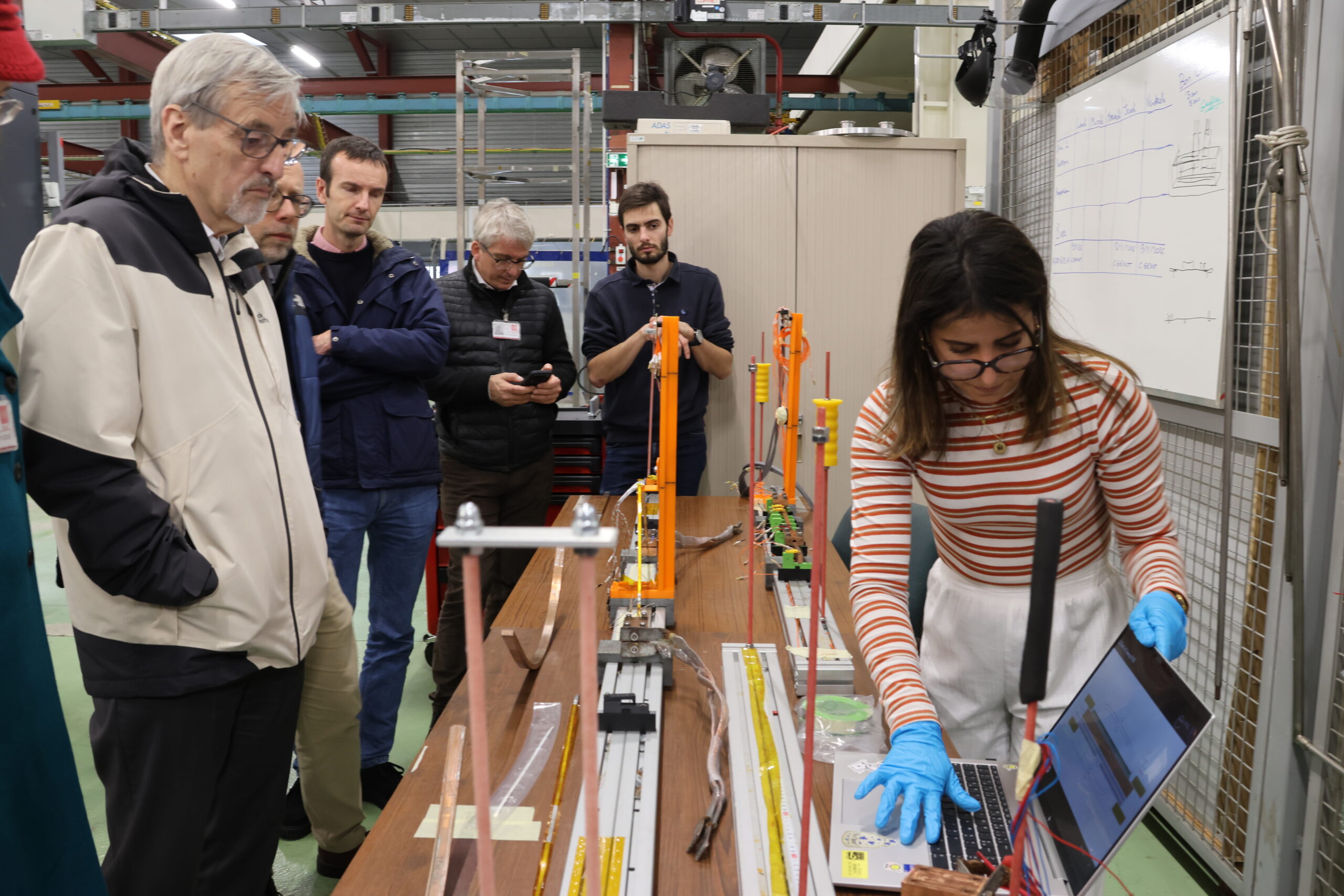
The meeting also included a tour
of the CEA Paris-Saclay facilities
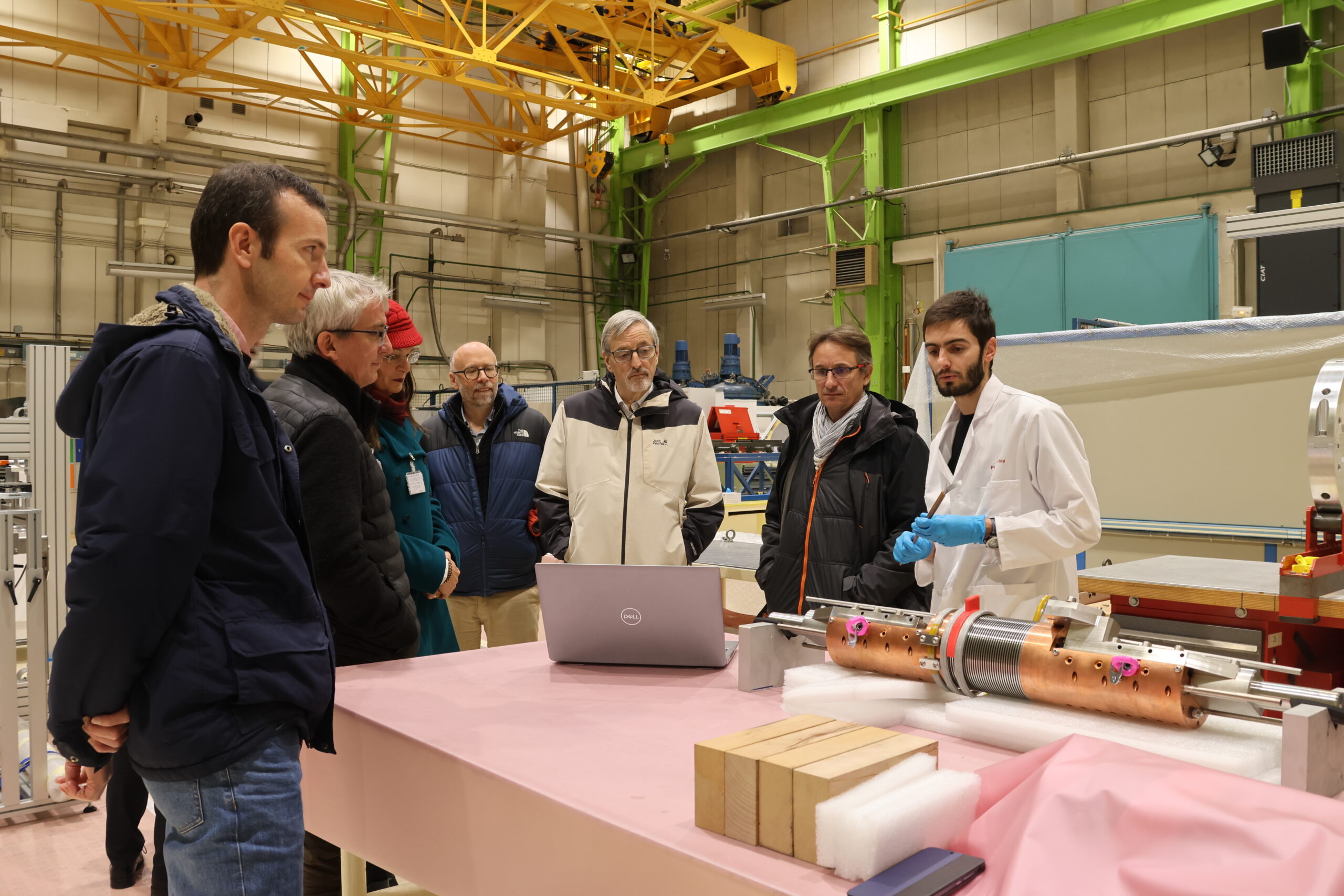
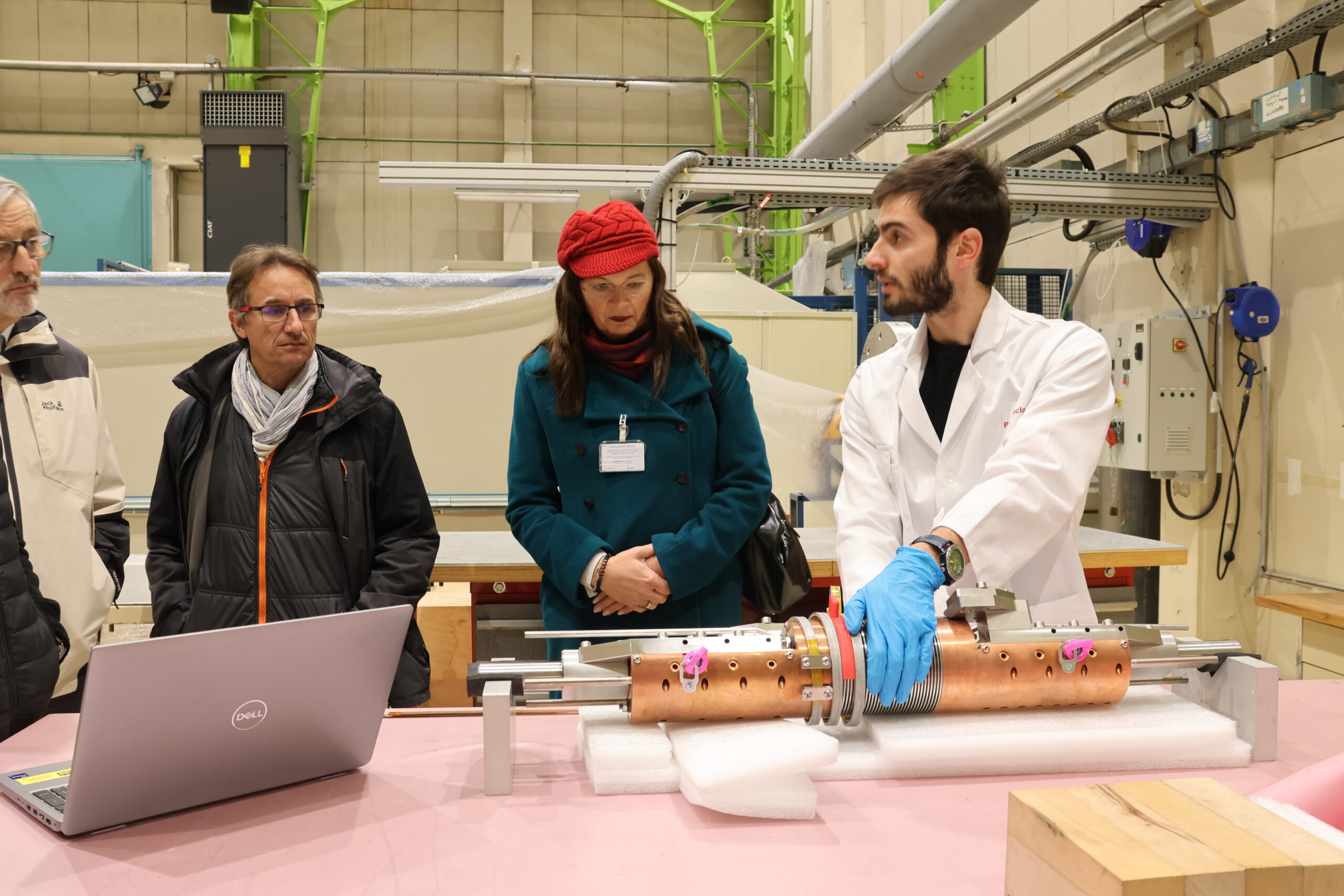
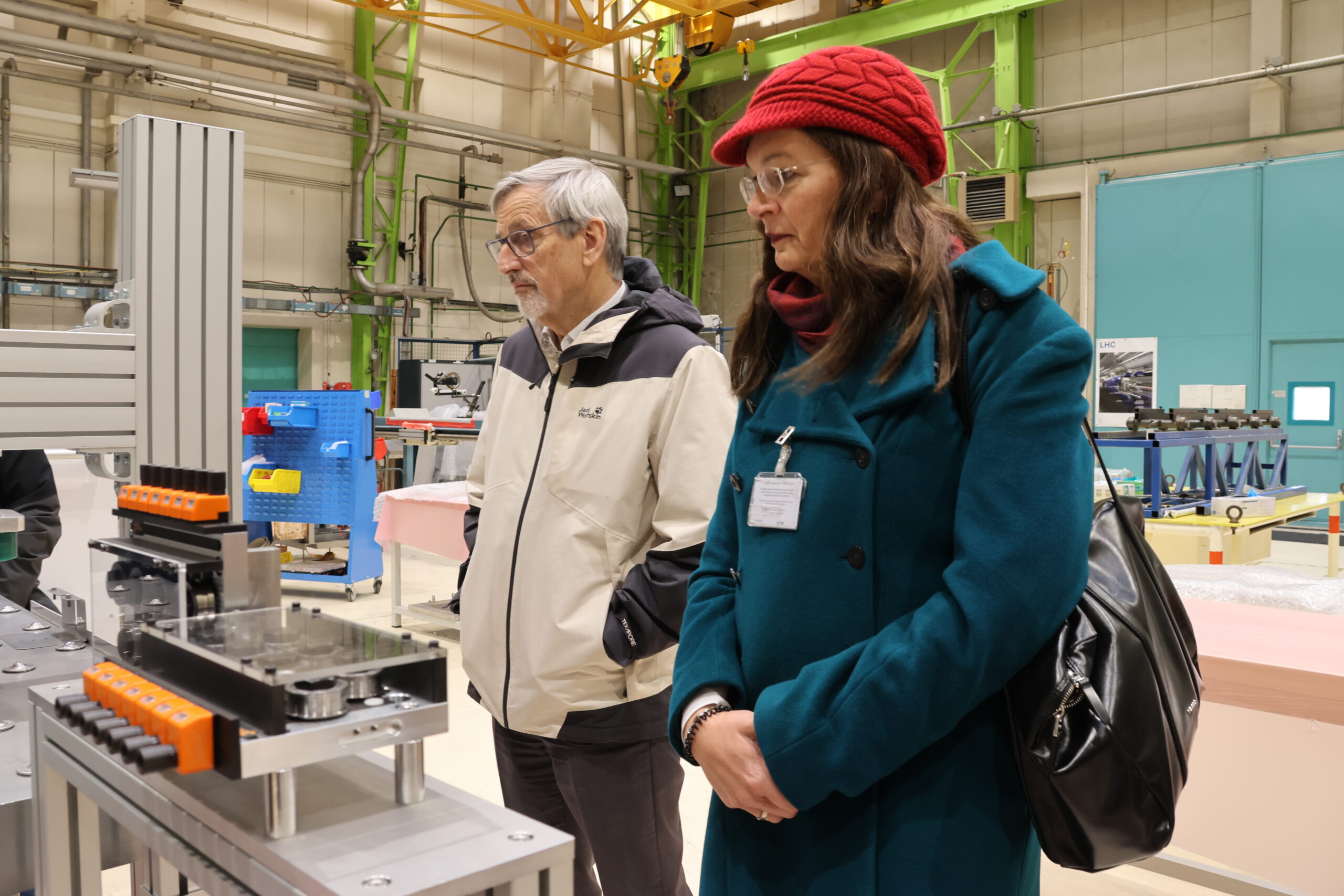
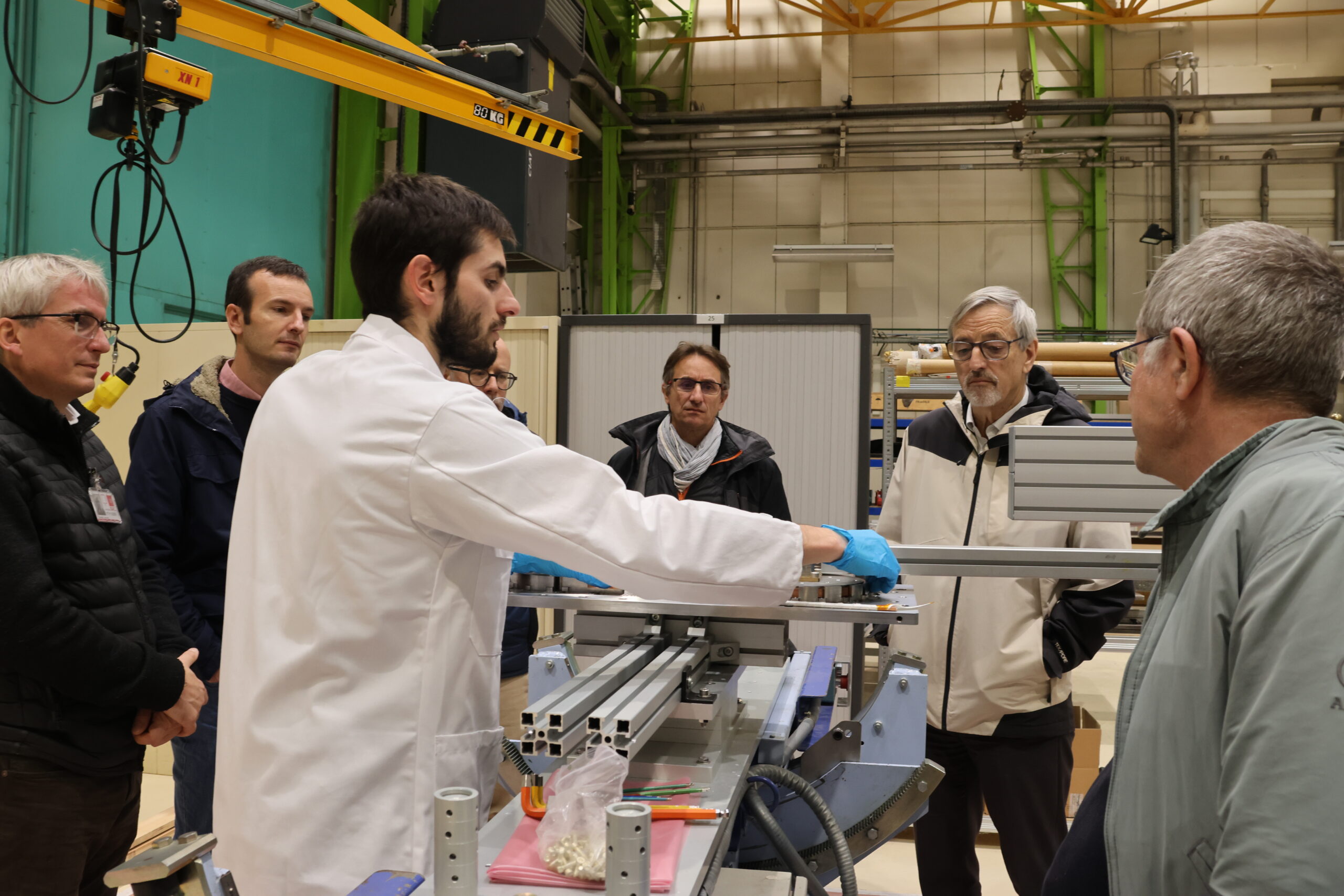
. Committee members were able to explore several research environments and speak directly with the teams involved in the SupraFusion projects.
These meetings, in particular, allowed the experts to engage with young researchers, doctoral students, and undergraduates who contribute daily to the program’s work, and to gain a better understanding of the scientific and experimental challenges they face.
An international perspective to support the program’s ambitions
This first meeting of the Scientific Advisory Board marks an important milestone in SupraFusion’s progress. The committee’s expertise and recommendations are a valuable asset in supporting the program’s development, strengthening its scientific ambition, and contributing to its visibility within the international nuclear fusion community.
The PEPR SupraFusion would like to thank all committee members for their participation, their insightful discussions, and their contributions to this first edition.
Timothé Auclair, the first researcher for the PEPR SupraFusion and the SF-Plant project!
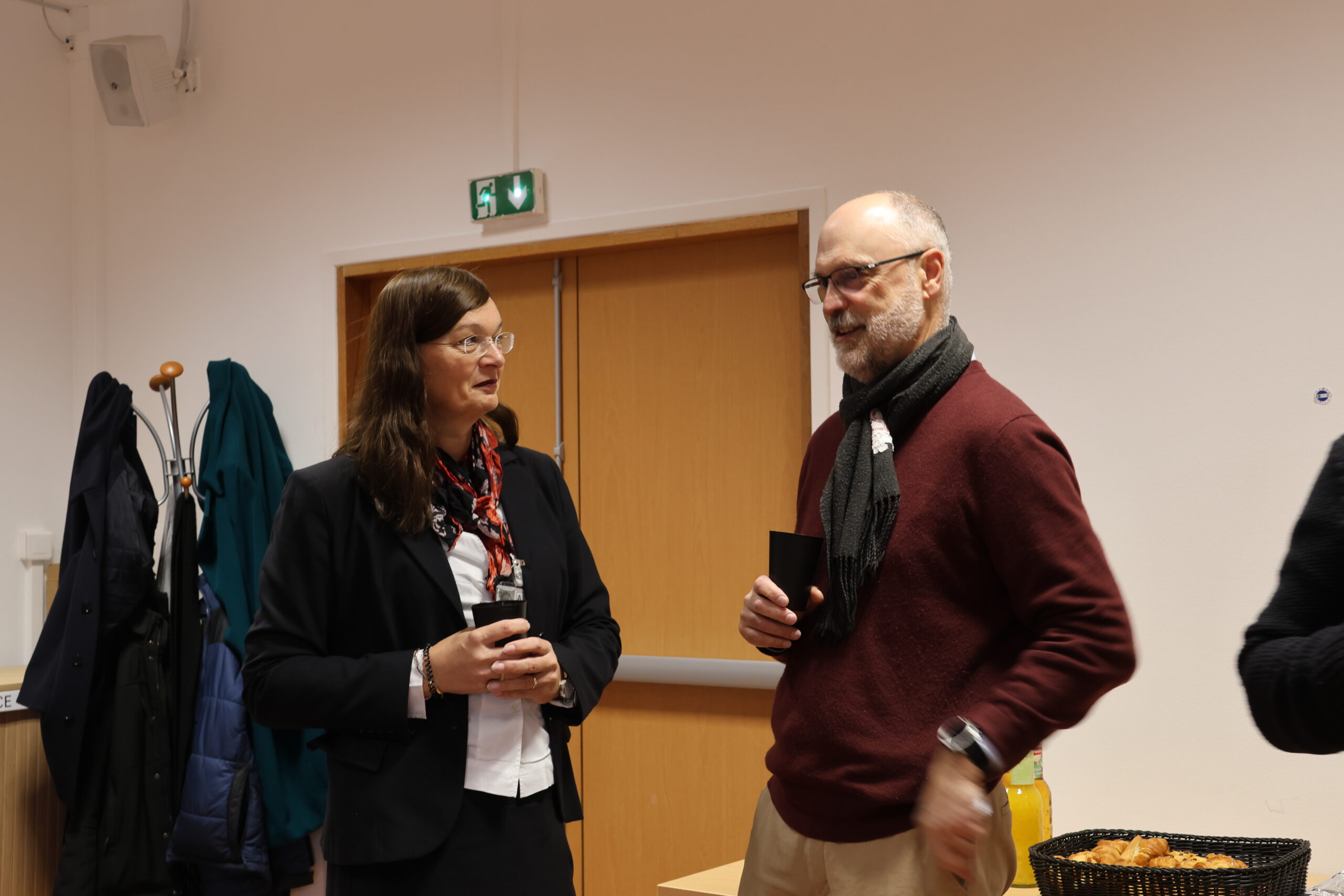
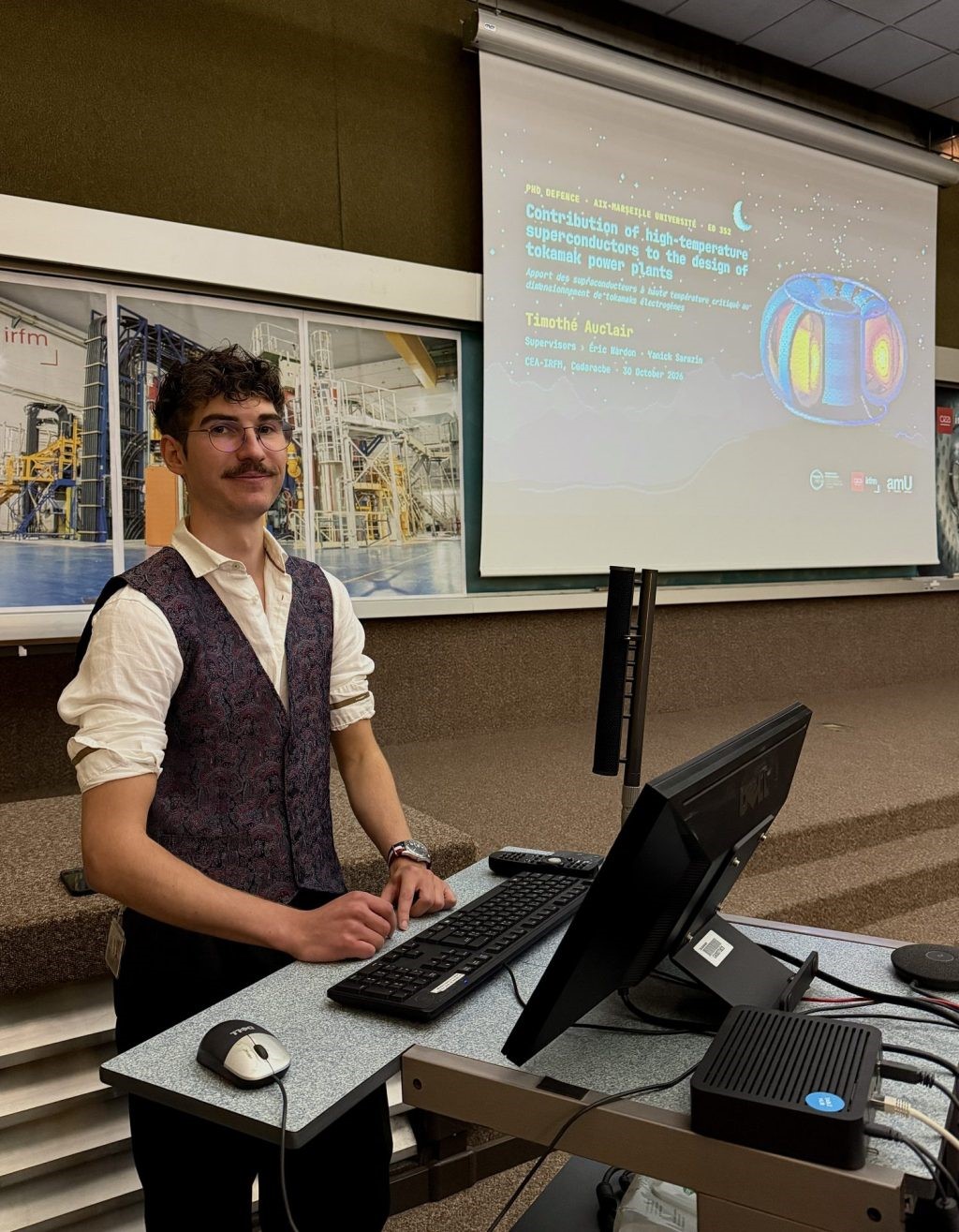
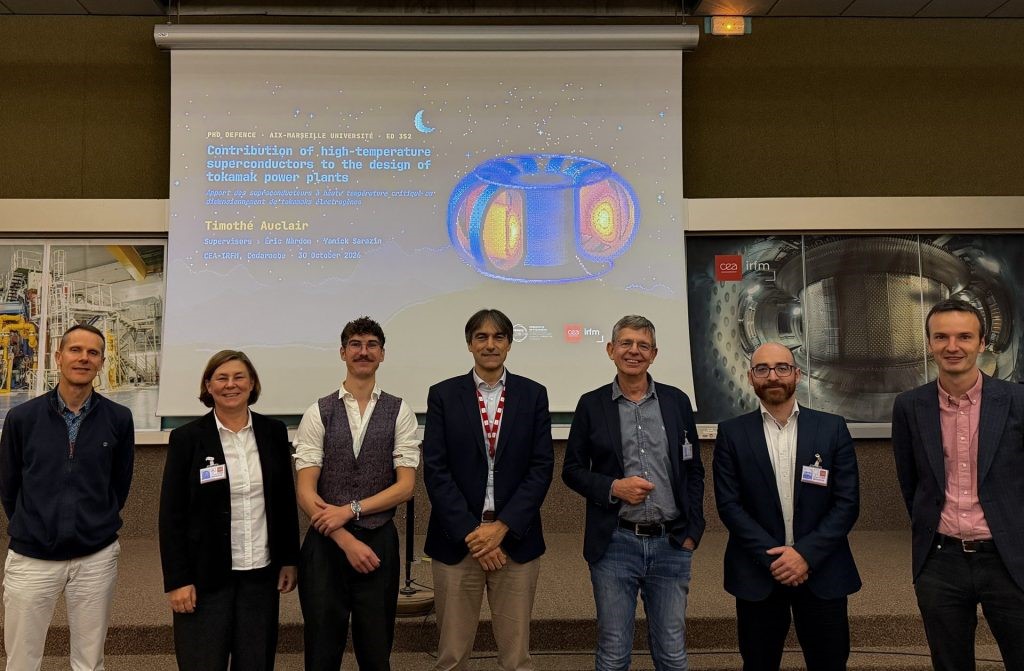
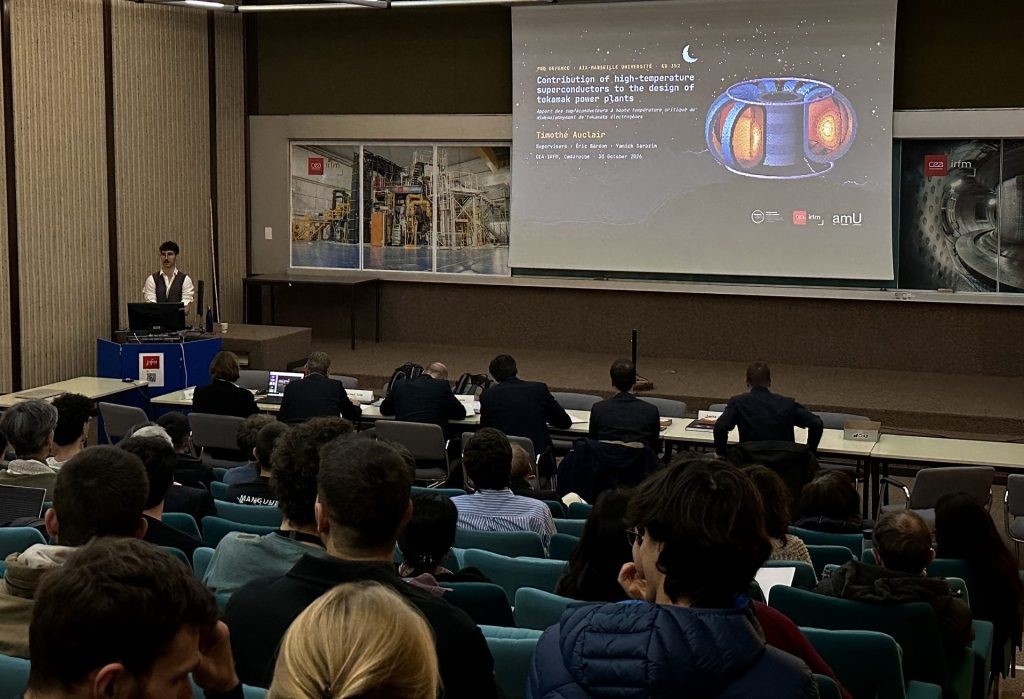
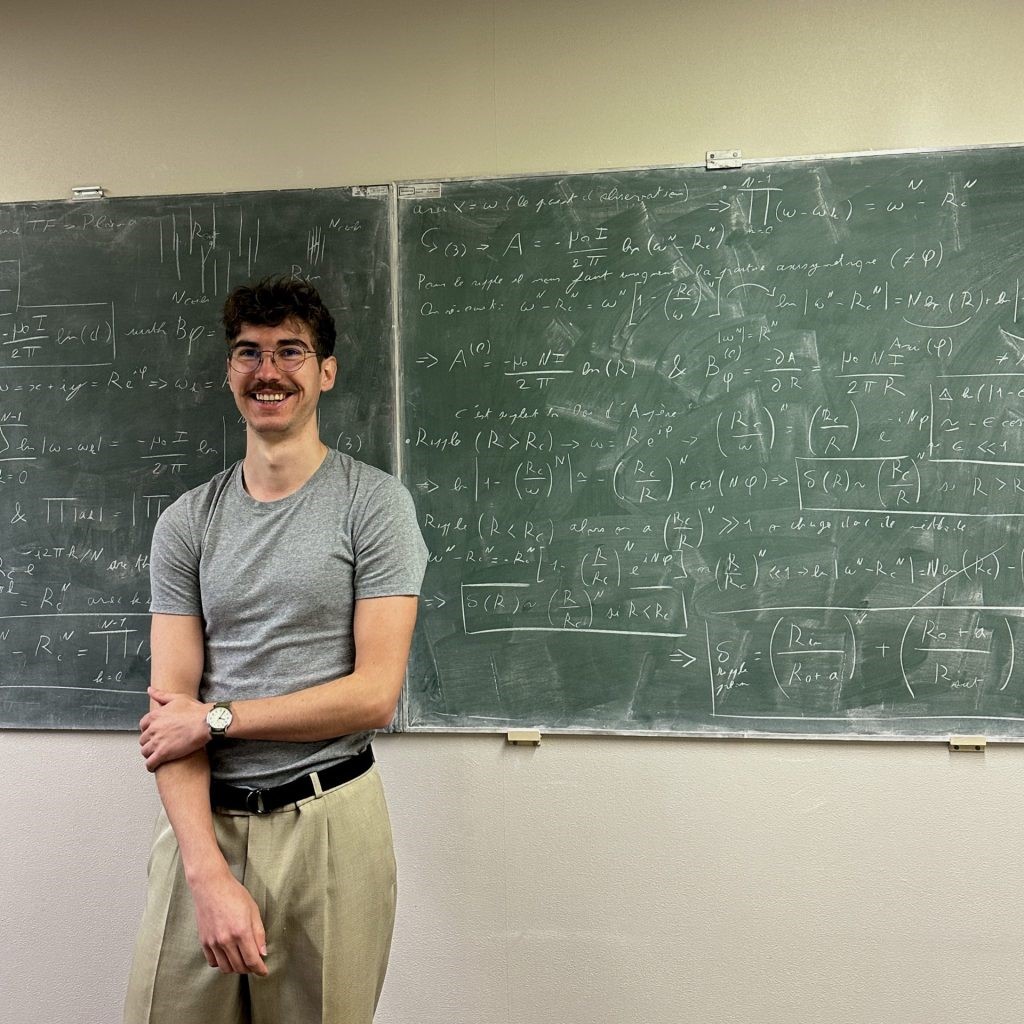
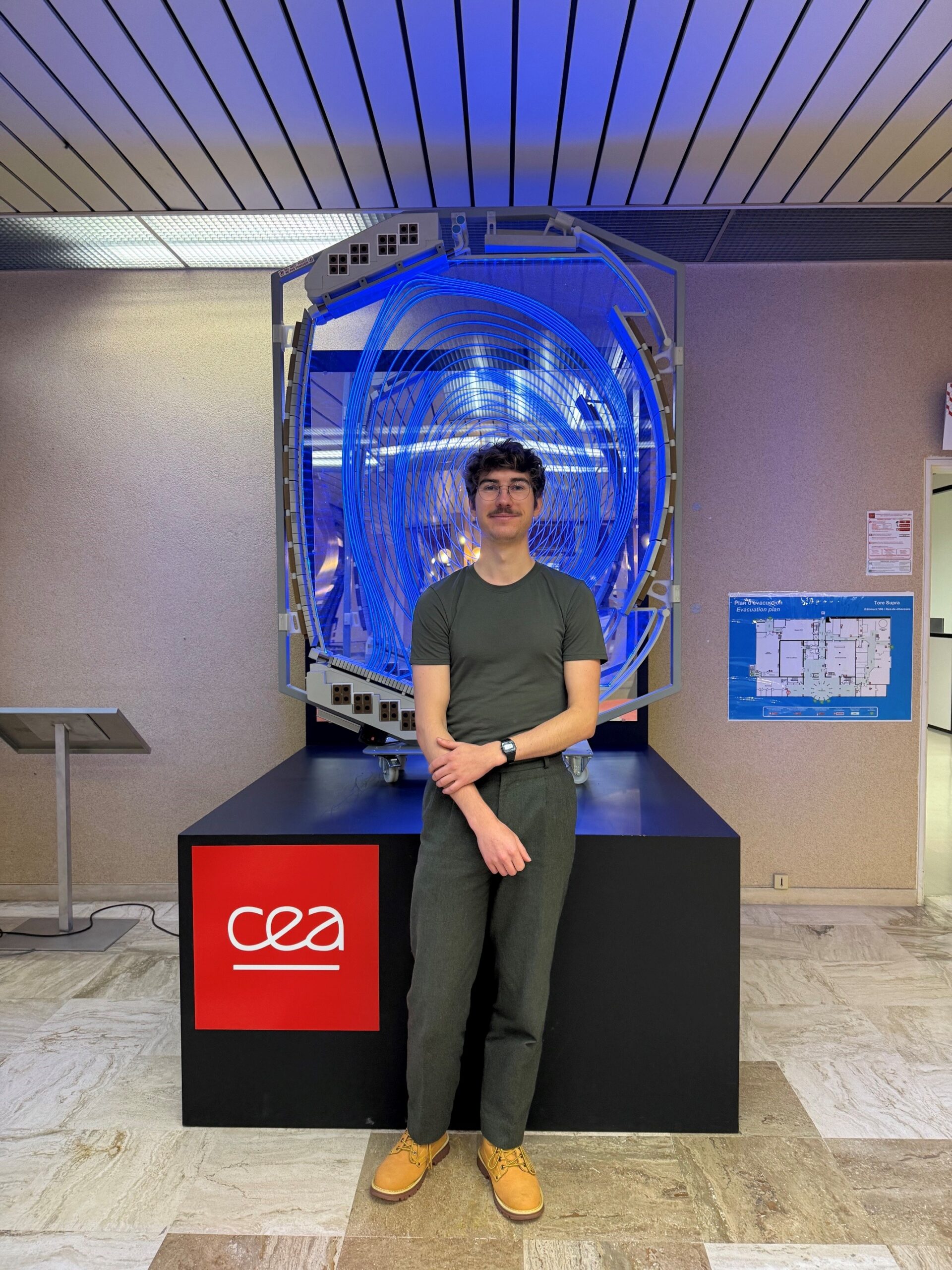
On Friday, October 30, 2026, Timothé Auclair successfully defended his dissertation on the contribution of high-critical-temperature superconductors to the design of power-generating tokamaks. He thus becomes the first PhD graduate from the PEPR SupraFusion program and the SF-Plant project, marking an important milestone for the program and its teams.
Superconductors for More Compact Fusion Power Plants
High-temperature superconductors (HTS) hold significant potential for the design of future fusion power plants. Capable of withstanding magnetic fields far stronger than those achievable with conventional superconductors, they could enable the design of more compact and potentially less expensive tokamaks.
However, the increase in the magnetic field also places considerable mechanical stress on the machine’s structures. Timothé Auclair’s research sought to address this issue.
D0FUS: an open-source tool for sizing tokamaks
As part of his thesis, Timothé developed D0FUS , an open source code written in Python, dedicated to the sizing of tokamaks.
This tool combines a plasma physics calculation chain—which, among other things, determines stability limits—with original electromechanical models for coil design. Validated module by module, D0FUS accurately reproduces the characteristics of several machines.
It has thus made it possible to identify the key factors for ensuring the viability of fusion reactors operating under high magnetic fields.
SF-Plant: Promising results for future fusion power plants
The results of this research find concrete application in SF-Plant , the fusion power plant project developed within the framework of the PEPR SupraFusion.
The proposed design meets the objectives set for EU-DEMO, with a fusion power of 2 GW and an energy amplification factor (Q) greater than 40, while exhibiting particularly promising characteristics:
- A radius of 6 meters, compared to 9 meters for EU-DEMO;
- An estimated investment cost that is approximately 40% lower.
These results illustrate the potential of high-critical-temperature superconductors and offer concrete prospects for the design of future fusion power plants.
A scientific adventure that continues
After completing his dissertation, Timothé Auclair will continue his work, in part in Cadarache, at the startup Firefly Fusion, where he will help launch the company and contribute to its design.
This first thesis defense marks an important milestone for the SupraFusion PEPR and demonstrates the scientific momentum driven by its projects.
Check out Timothé in “Les Thésards de SupraFusion”!
You may have already seen Timothé in our video series “Les Thésards de SupraFusion, ” which gives a voice to the doctoral students contributing to the program’s scientific advances.
To learn more about his background, his research, and his work on the SF-Plant project, check out his interview:
👉 Watch the interview with Timothé Auclair – SupraFusion PhD Students
A jury with international expertise
The defense took place before a panel of international experts in nuclear fusion and related sciences:
- Chair of the Jury: Elisabeth Wolfrum – Institute of Applied Physics, TU Wien (Austria)
- Reviewer: Hartmut Zohm – Max Planck Institute for Plasma Physics (Germany)
- Reviewer: Carlos Paz-Soldan – Department of Applied Physics and Applied Mathematics, Columbia University (United States)
- Examiner: Matti Coleman – UK Atomic Energy Authority (United Kingdom)
- Examiner: Jérôme Bucalossi – Institute Director, CEA IRFM (France)
- Thesis Advisor: Eric Nardon – CEA IRFM (France)
- Co-advisor: Yanick Sarazin – CEA IRFM (France)
- Guest Speaker: Alexander Creely – Commonwealth Fusion Systems (United States)
👏 Congratulations to Timothé Auclair on this great achievement, as well as to his advisors and all the teams who contributed to this work!
SupraFusion Ph.D. Students - Episode 2: Timothé Auclair
Meet the young researchers at SupraFusion!
In this second episode, meet Timothé Auclair, who is working on the SF-Plant project. His research focuses in particular on the potential of high-critical-temperature superconductors for the design of future nuclear fusion power plants.
🎬 Check out his career and work in this video!
Learn about the objectives and research being conducted as part of the SF-Plant project.

Annual Meeting with the ANR: A Progress Update on the SupraFusion PEPR
The PEPR SupraFusion held its annual meeting with the ANR
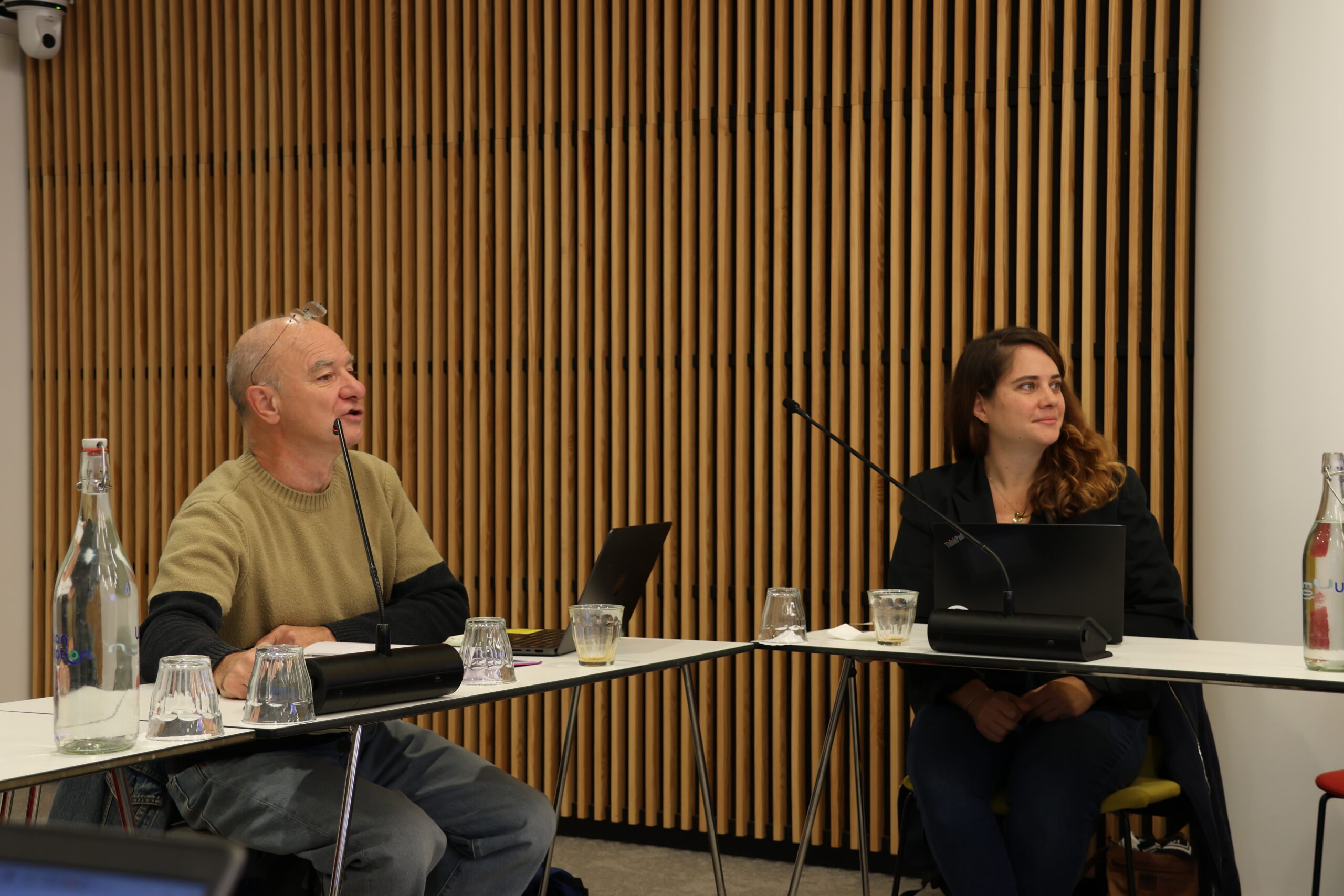
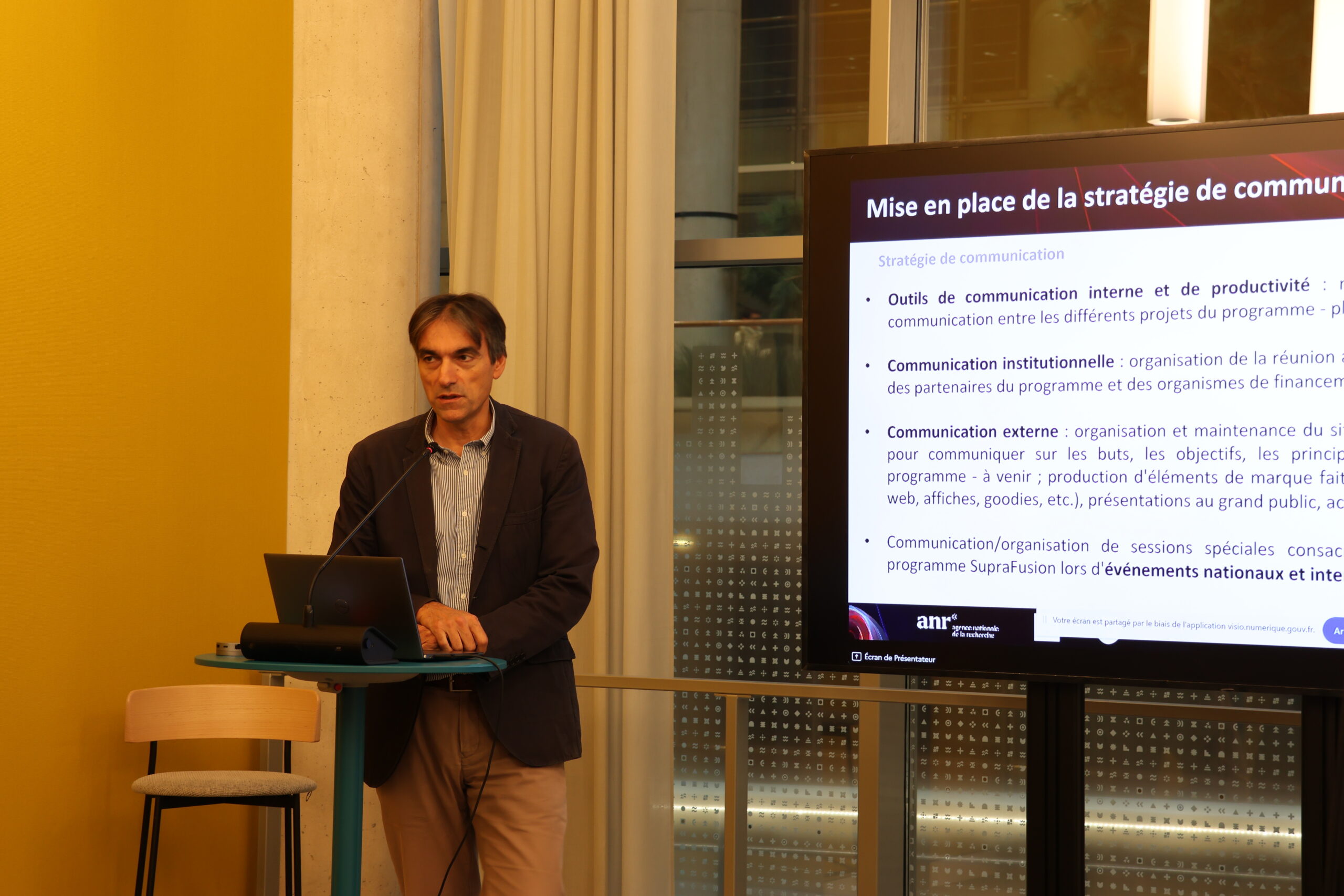
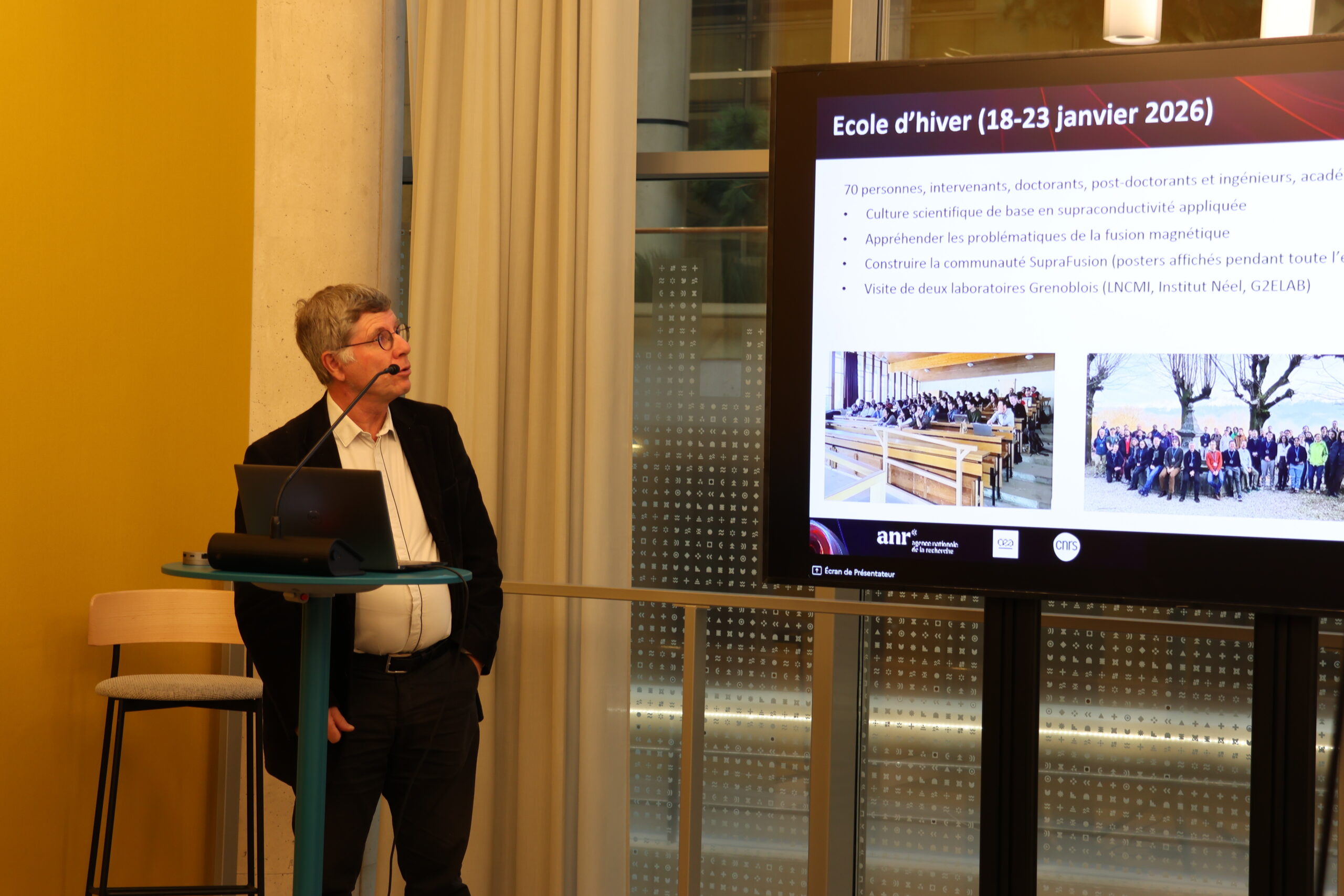
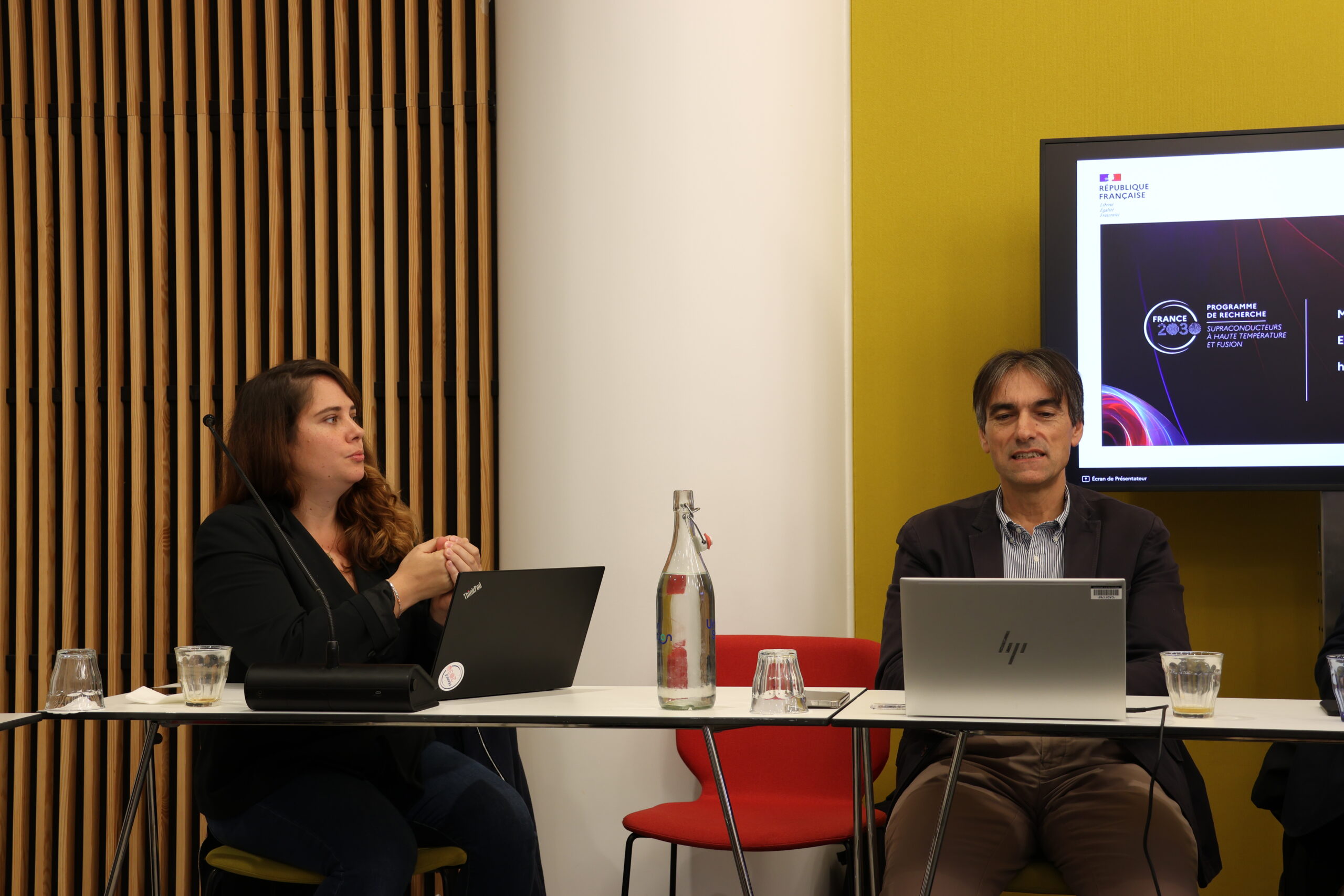
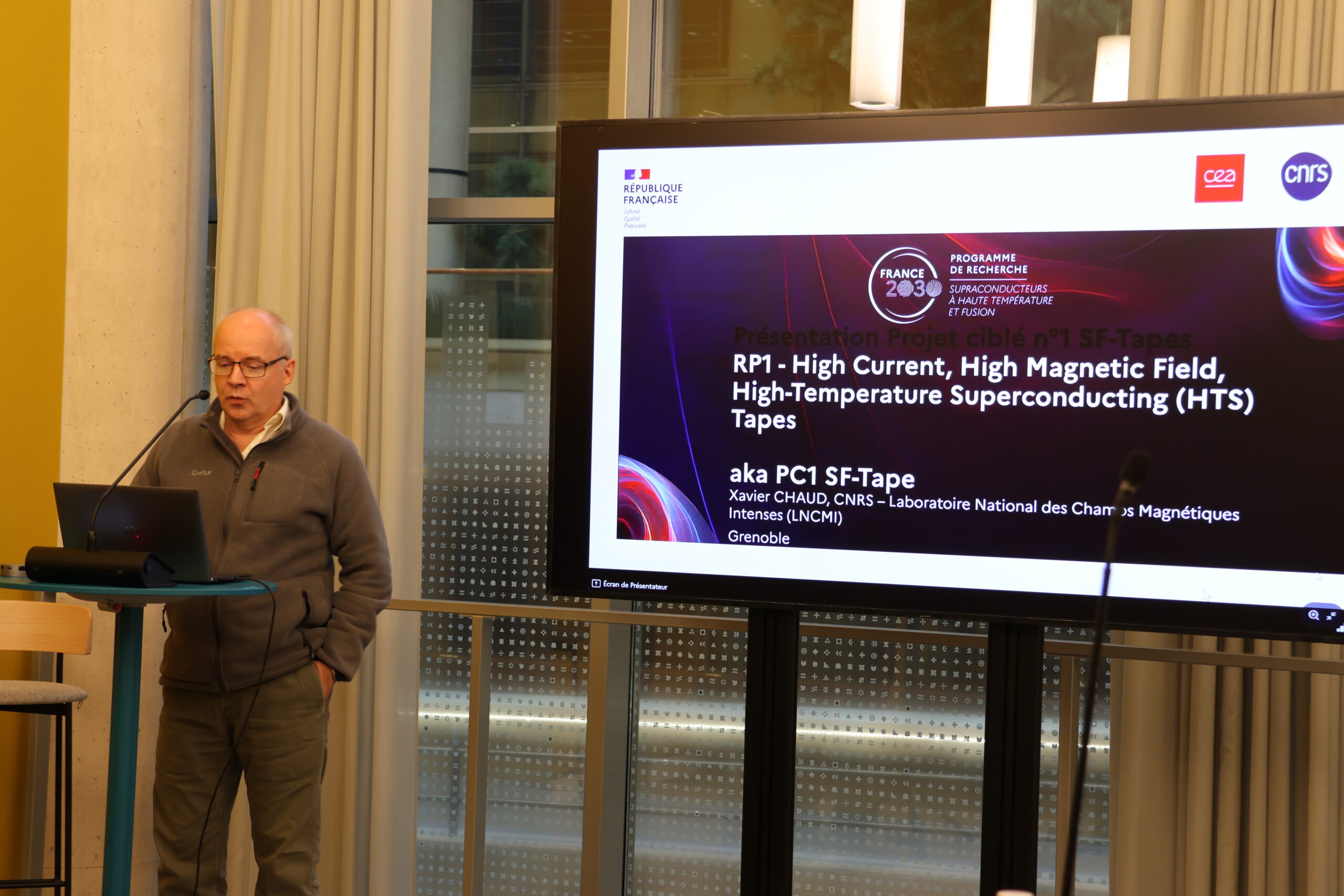
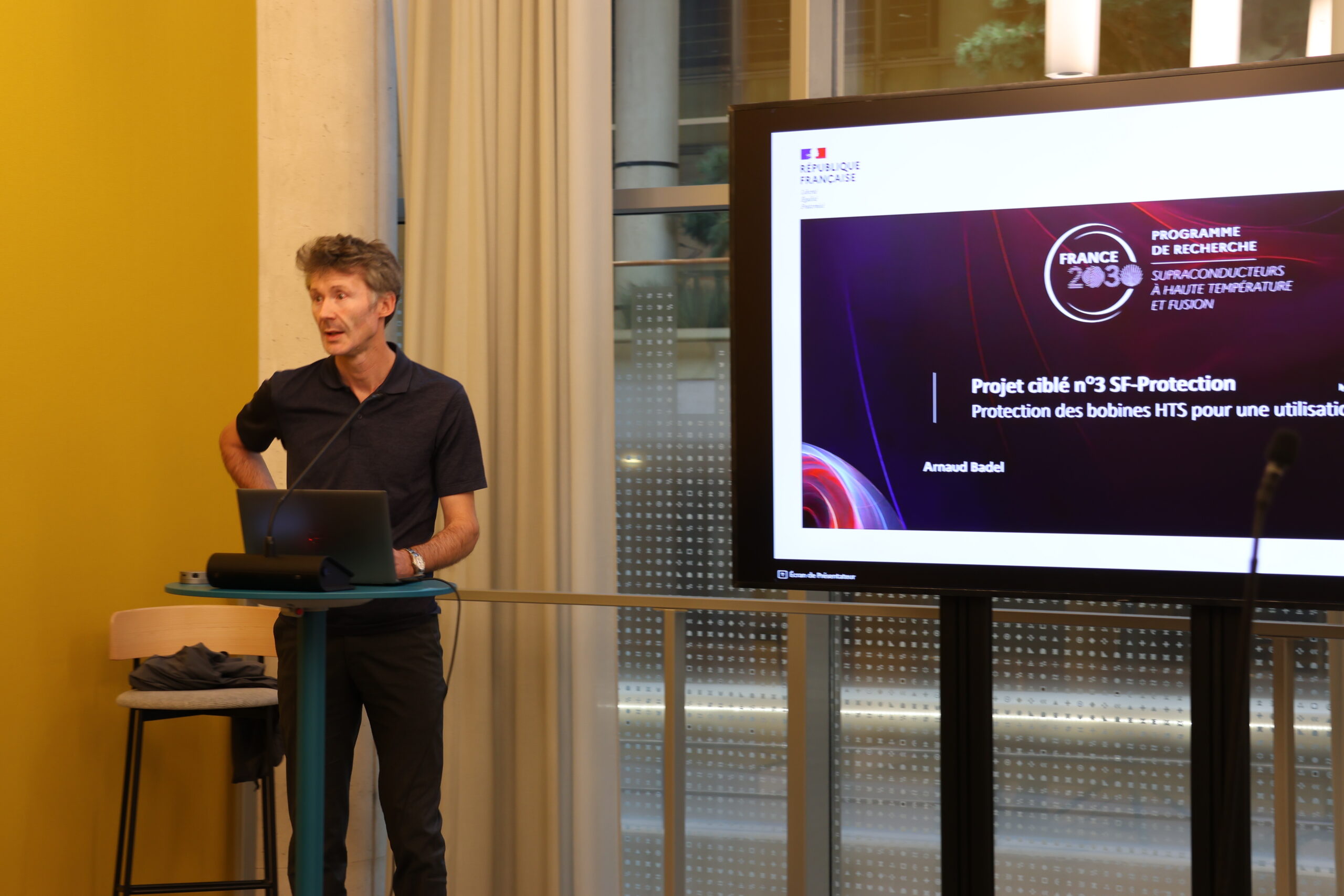
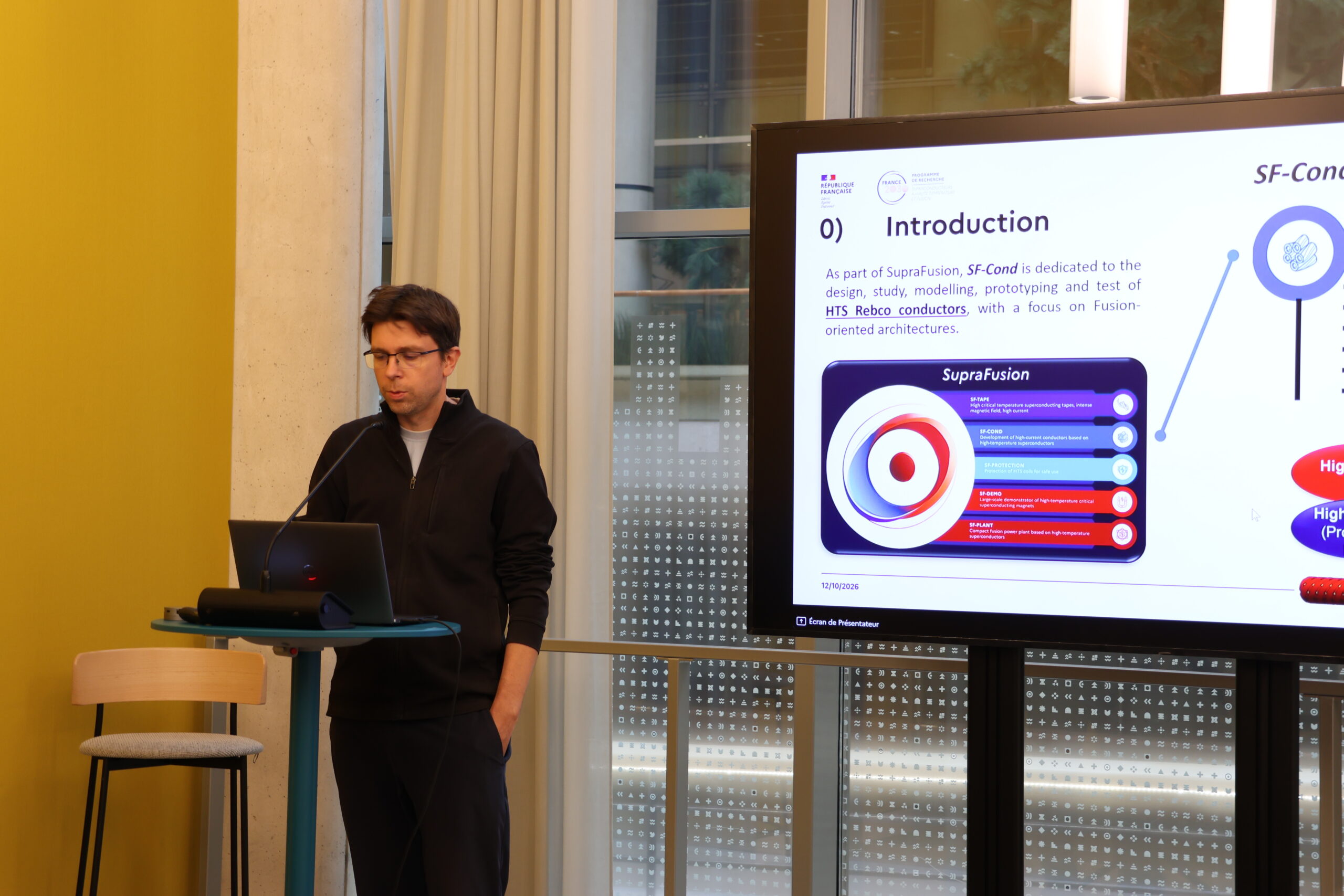
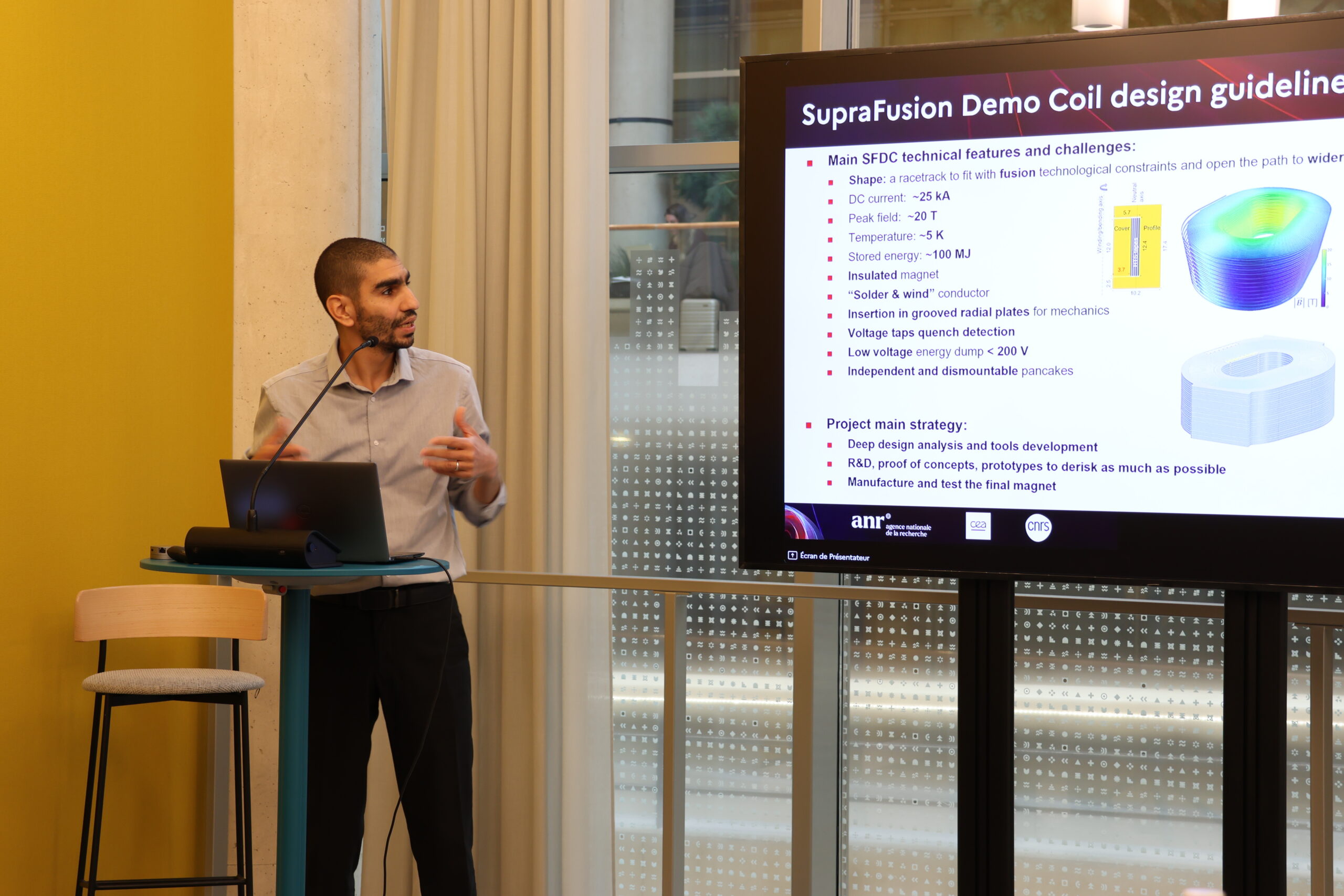
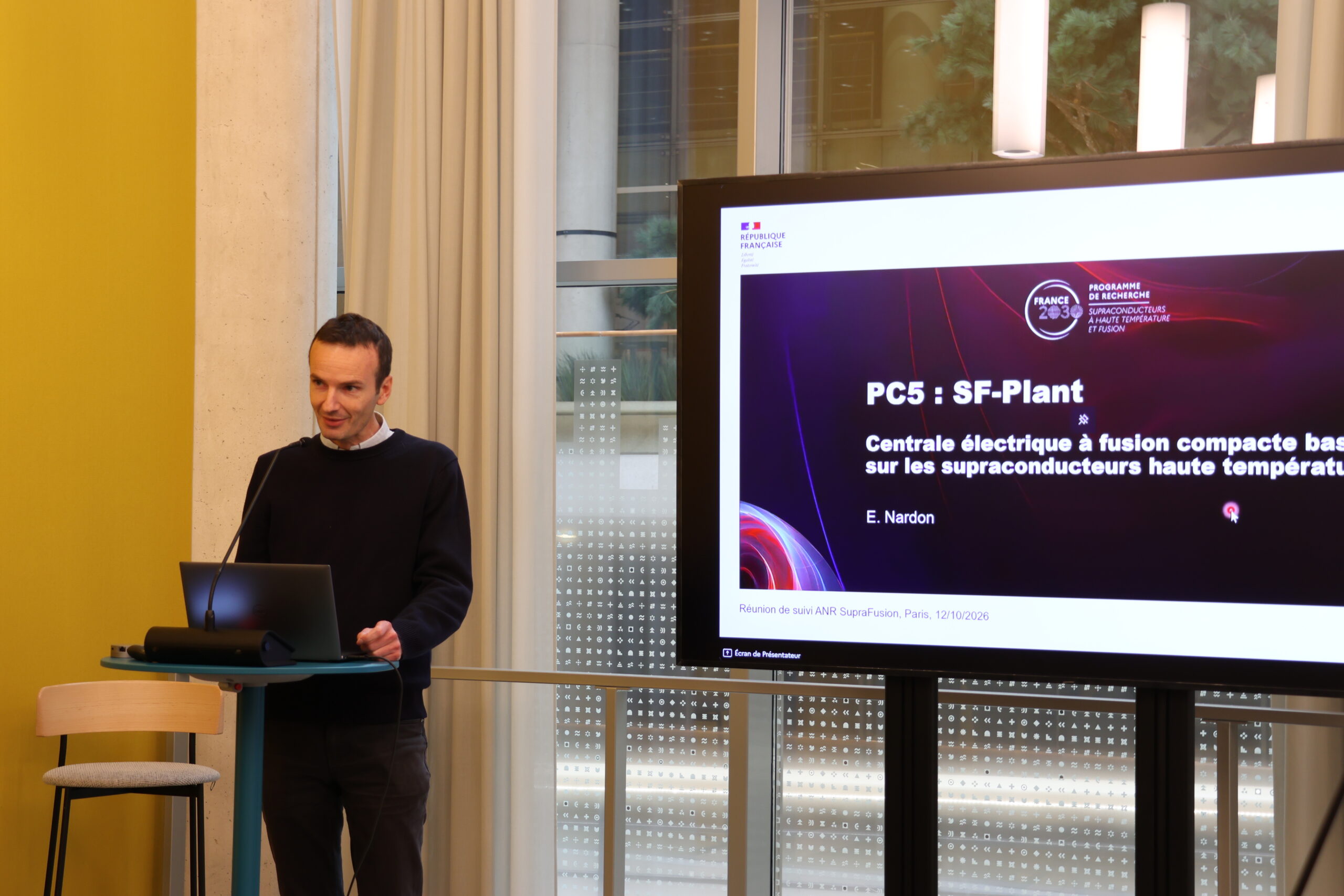
On October 12, 2026, the PEPR SupraFusion held its annual meeting withthe National Research Agency (ANR). This meeting brought together the entire steering committee, the leaders of the targeted projects, and the partners around a common goal: to take stock of the program’s progress and discuss the various aspects of its implementation.
Comprehensive monitoring of project progress
This annual meeting provides a unique opportunity to discuss the progress of the PEPR SupraFusion’s targeted projects and share an overview of their development.
The discussions focused on scientific progress, as well as on budgetary, administrative, organizational, and human resources issues. This cross-cutting approach makes it possible to address the various aspects necessary for the smooth progress of the projects and the implementation of the program.
Promote communication and coordination
By bringing together the executive committee and the managers of the targeted projects, this meeting also provided an opportunity to share information, compare perspectives, and discuss issues related to the progress of the work.
These opportunities for dialogue help strengthen coordination among program stakeholders and collectively support project development, as part of a process of monitoring and continuous improvement.
This annual meeting is part of the SupraFusion PEPR management process, which aims to support research progress and foster collaboration among the various teams involved.
SupraFusion Newsletter No. 4 - September 2026
Welcome to the SupraFusion research program newsletter!
After a first half of the year marked by numerous highlights, SupraFusion is kicking off the new semester with several scientific and institutional developments: participation in major international events, progress on projects, and new milestones in the program’s development.
The start of the new academic year also marks the launch of “Les Thésards de SupraFusion, ” a new video series that profiles the program’s doctoral students to explore their backgrounds and research. In this first episode, meet Jonathan Pavan, a doctoral student working on the SF-Cond project.
In this newsletter, you’ll find the latest news from SupraFusion and upcoming events on the program.
Enjoy the read!
SupraFusion to Exhibit at SOFT 2026
A Look Back at SupraFusion's Participation in One of the Major International Fusion Conferences
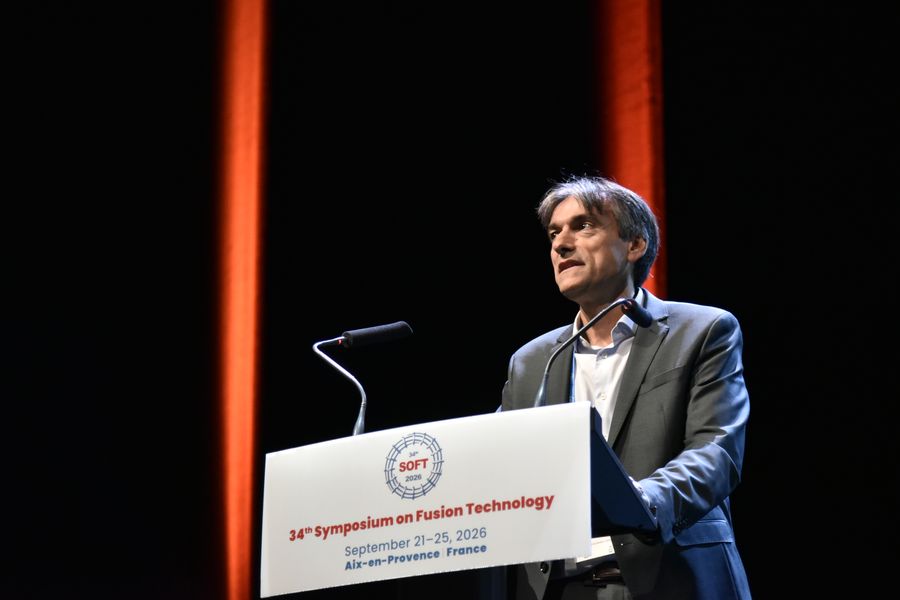
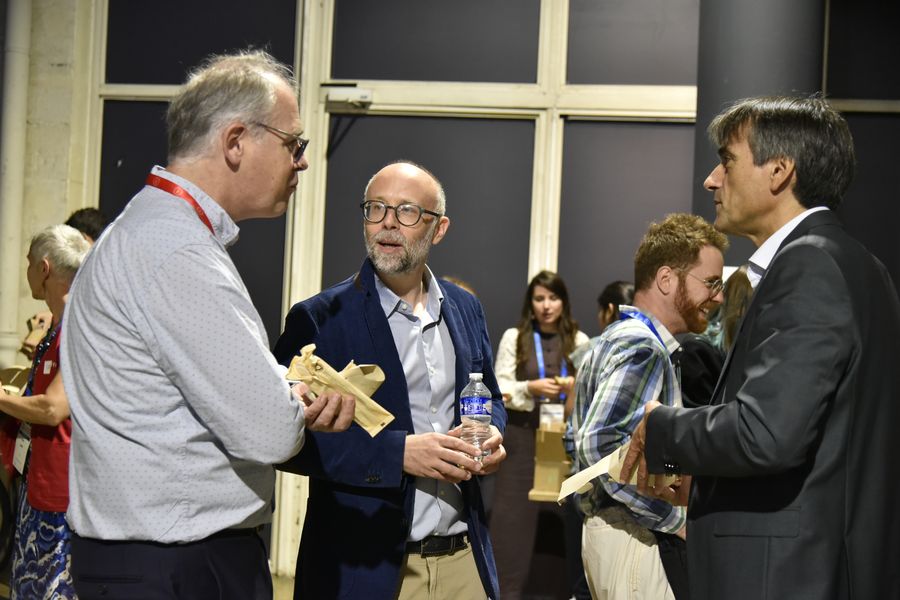
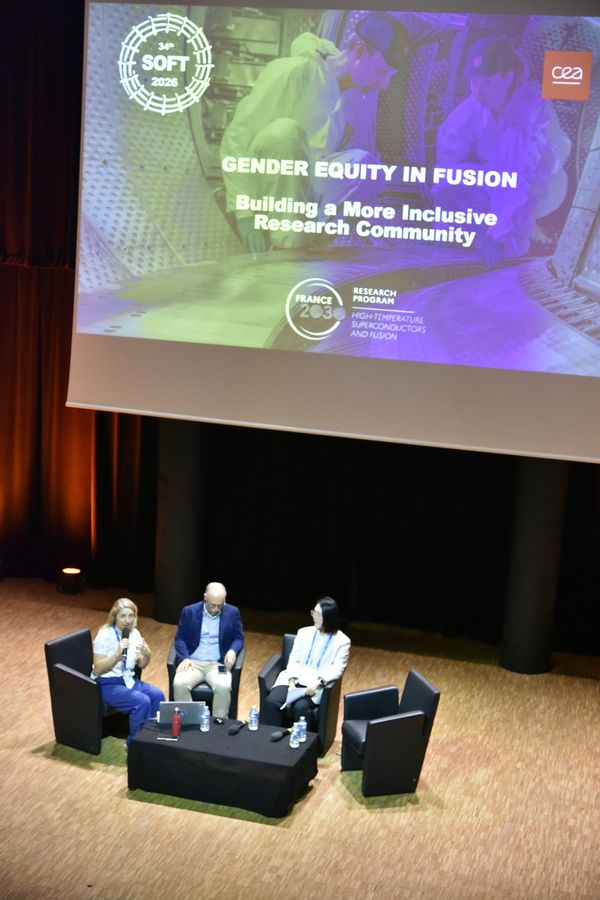
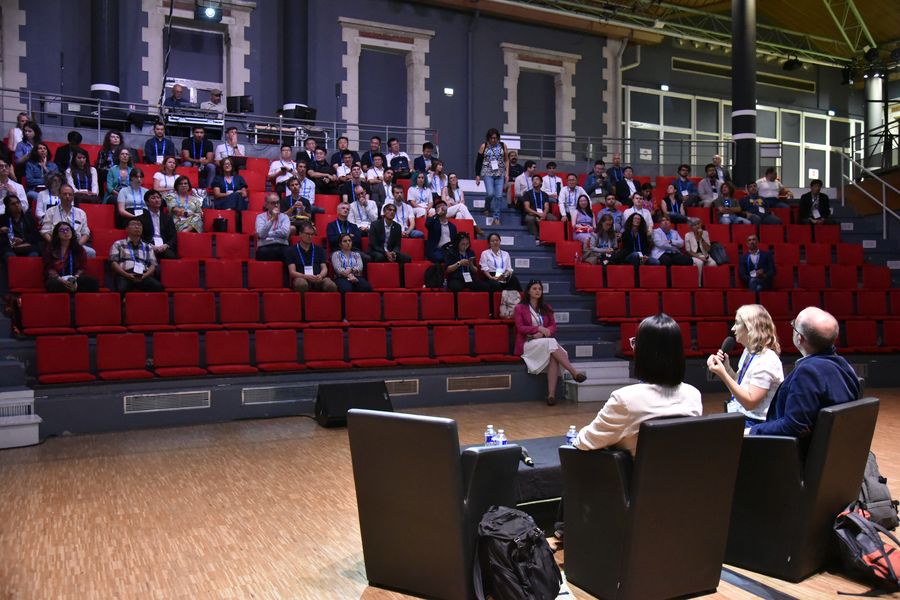
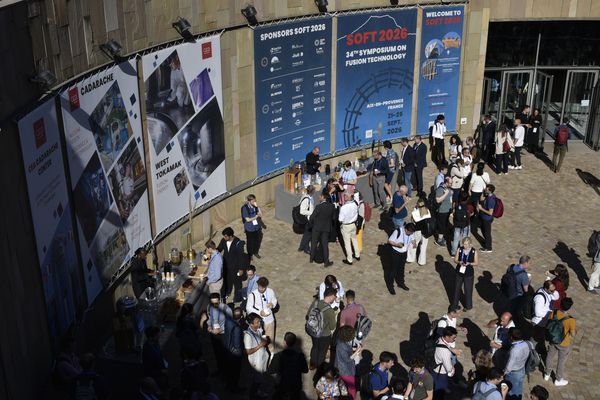
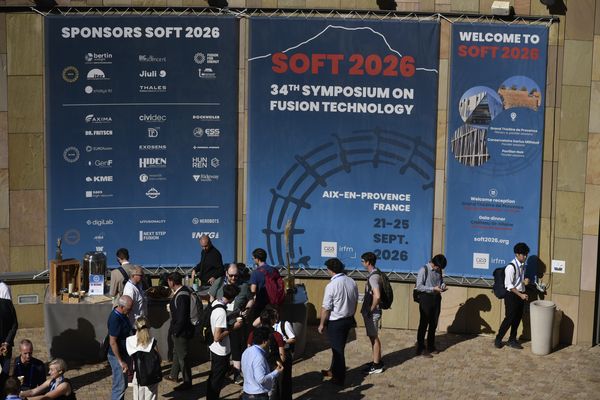
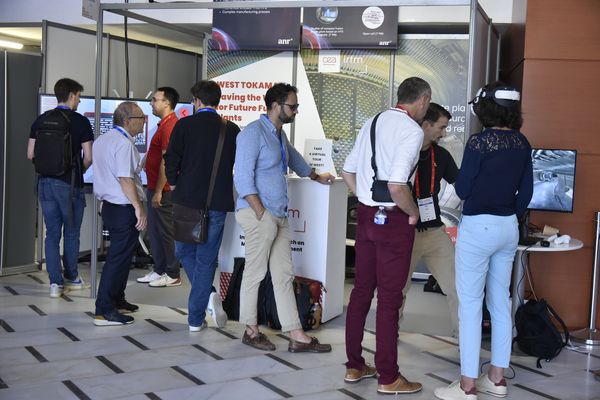
From September 21 to 25, 2026, the international fusion community gathered for SOFT 2026 (Symposium on Fusion Technology).
SupraFusion participated in this latest edition, alongside teams from CEA IRFM and numerous French and international stakeholders in fusion research.
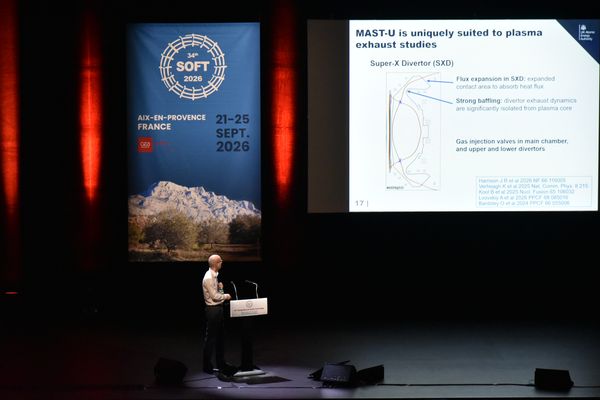
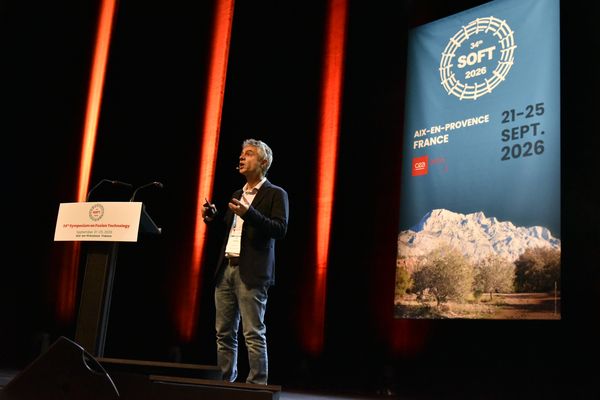
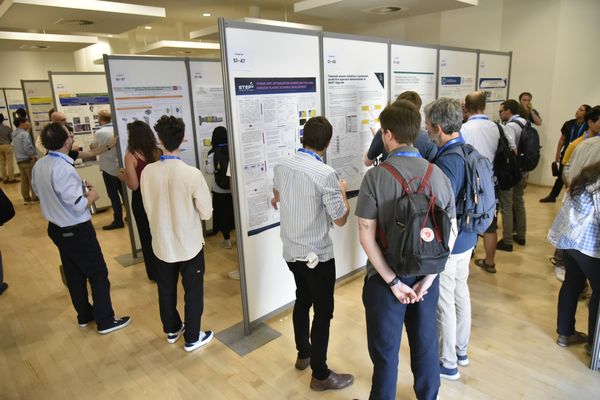
Throughout the conference, the teams involved in SupraFusion had the opportunity to present their work, share their progress, and engage with the international scientific community on the technologies needed for the development of fusion.
This participation provides another opportunity to highlight the research being conducted as part of SupraFusion’s various projects and to foster collaboration among researchers, engineers, and partners in the field.
SOFT 2026 also provided an opportunity to strengthen collaborations and share France’s advances in an international context, focusing on the many scientific and technological challenges associated with the development of fusion.
SupraFusion’s participation in this event thus illustrates the importance of collaborations and scientific exchanges in advancing fusion technologies and contributing to the development of the fusion sector.
📸 A photo recap of SupraFusion’s participation in SOFT 2026. (Photo credit: Hélène Roche Photography)
SupraFusion to Attend the 2026 Applied Superconductivity Conference (ASC)
The SupraFusion teams are sharing their work with the international superconductivity community
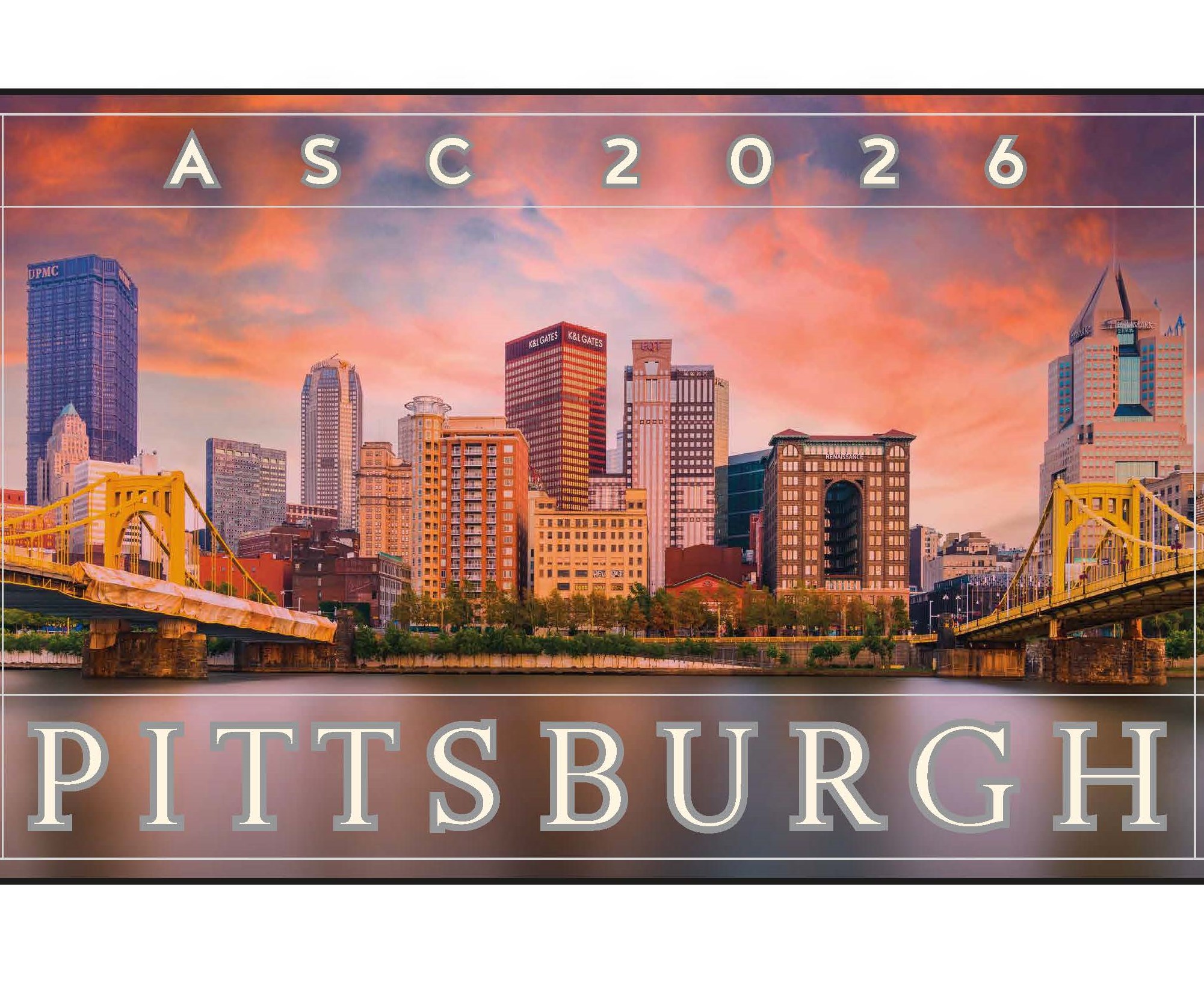
From September 7 to 11, 2026, teams from the PEPR SupraFusion project participated inthe Applied Superconductivity Conference (ASC 2026), held in Pittsburgh, United States.
A major event for the international superconductivity community, the ASC conference brings together researchers, engineers, industry representatives, and institutional stakeholders to discuss the latest scientific and technological advances in the field. The 2026 edition featured a program of more than 1,500 presentations, covering the fields of large-scale systems, electronics, materials, and cross-cutting topics.
SupraFusion Research Presented to the International Community
During the conference, several members of the SupraFusion teams presented their work in oral sessions, providing an opportunity to share the program’s scientific advances with specialists from around the world.
These presentations provided another opportunity to highlight the research being conducted within SupraFusion’s various projects and to contribute to scientific discussions on the superconducting technologies needed to develop future fusion applications.
Discussions at the Heart of the Conference
Beyond the scientific presentations, participating in ASC 2026 gave the teams the opportunity to meet and exchange ideas with the international superconductivity community.
These exchanges are essential for comparing approaches, sharing advances, and identifying new opportunities for collaboration in a field where progress depends on bringing together complementary scientific and technological expertise.
SupraFusion’s participation in ASC 2026 thus demonstrates the program’s commitment to become a full-fledged member of international scientific networks and to contribute to advances in superconductivity research for the benefit of fusion.
SupraFusion's PhD Students – Episode 1: Jonathan Pavan
Meet the young researchers at SupraFusion!
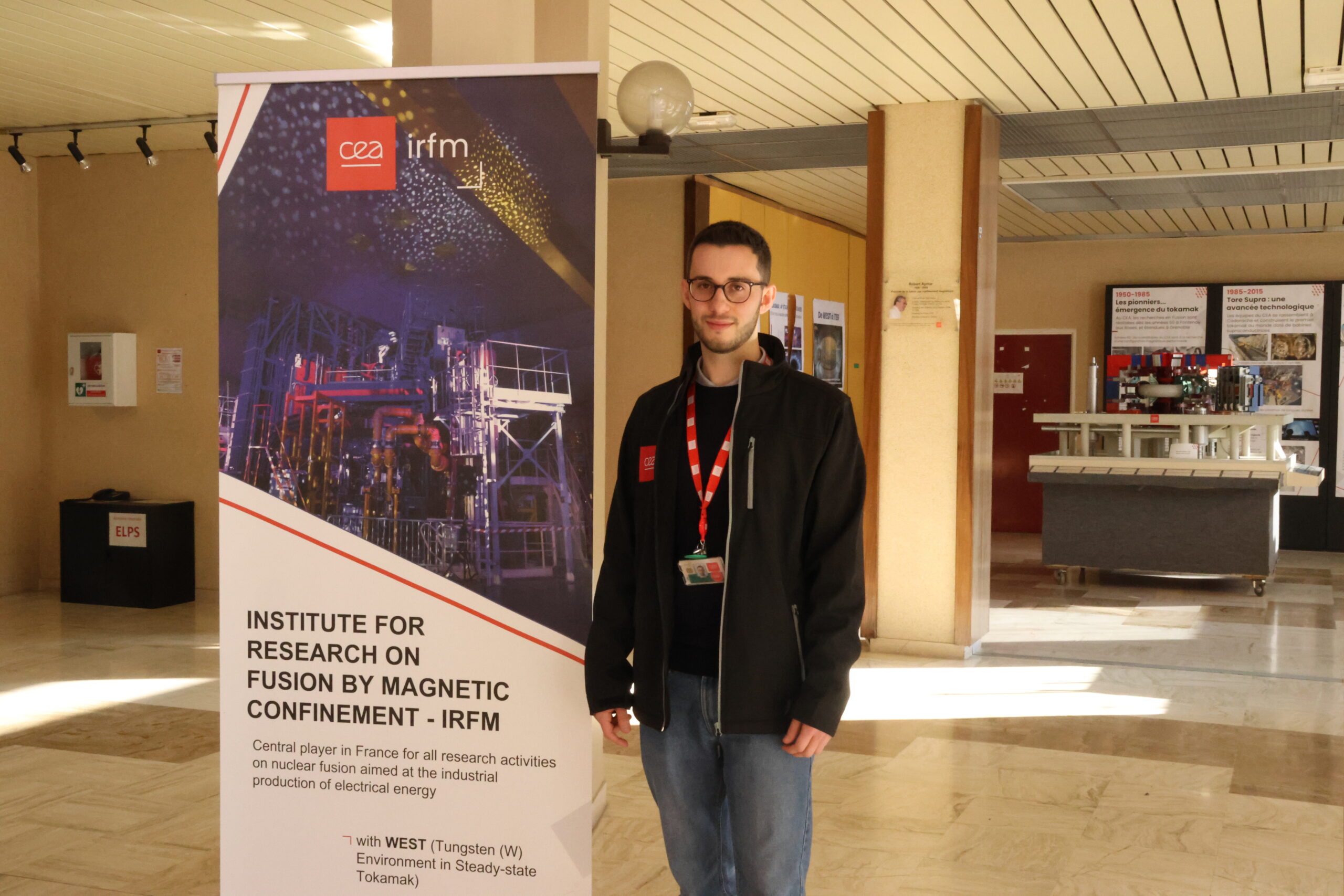
In this first episode of the series “SupraFusion PhD Students, ” meet Jonathan Pavan, a PhD student working on the SF-Cond project. He talks to us about his research, his background, and his work at the heart of the SupraFusion program.
Through this series, SupraFusion gives a voice to the doctoral students contributing to the program’s various projects, to provide a better understanding of their research, their daily lives, and their role in the development of high-temperature superconductors.
🎥 Check out the interview with Jonathan Pavan:
Learn about the objectives and research being conducted as part of the SF-Cond project.
SupraFusion Newsletter No. 3 - April 2026
Welcome to the SupraFusion research program newsletter!
The past few months have been marked by key milestones for the SupraFusion program: organizing the 2026 SupraFusion Winter School, closing our call for projects, holding the first steering committee meeting, and preparing for the 2026 SupraFusion Days.
Beyond these milestones, SupraFusion is also making its voice heard in the public debate on major energy issues, particularly through the participation of its executives in high-profile events such as the Paris-Saclay Summit. In this newsletter, we’ll take a look back at these developments and give you a preview of the program’s upcoming milestones.
Enjoy the read!