

Project objectives
The SF-Protection project aims to develop innovative strategies for protecting high-temperature superconducting (HTS) coils, in particular those based on REBCO tapes, to ensure safe and reliable operation of large magnets used in applications such as nuclear fusion. The aim is to understand, model and control dissipation and quench (i.e. the abrupt transition to a dissipative regime leading to rapid heating and a thermal avalanche effect) , and to develop advanced winding techniques and detection systems.
Scientific background
>The new 2nd generation REBCO superconductors shows a key advance: they can create intense magnetic fields (>20 T) at low temperatures ( 65 K), in liquid nitrogen, a cheap and green fluid, but under low magnetic fields (< 2 T), field of applications for electric grids (cables, fault current limiter…).
Although promising, they remain vulnerable to sudden overheating (quench), requiring effective protection. This project aims to adapt and improve current solutions, drawing on the expertise of the partners to develop protection strategies adapted to large-scale HTS magnets.

Scientific and technological challenges
Understanding quenching
Model and understand complex quench phenomena in REBCO coils.
Innovative winding techniques
Develop resistant insulation and winding strategies adapted to multi-tape conductors.
Early detection
Create sensitive and reliable quench detection systems to prevent thermal runaway.

Partners involved
This project is being carried out in collaboration with several laboratories and research centers
CNRS (Neel, LNCMI, G2Elab)
General coordination.
CEA (DRF-Irfu, DRT/LIST)
Laboratory collaboration.
Project challenges
Protecting large magnets
Adapting protection strategies developed on small prototypes to large multi-strand fusion magnets, subject to high thermal and mechanical stress.
Quench risk management
Identify and overcome risks associated with localized overheating, conductor heterogeneity and high energy densities.
Collaboration and innovation
Ensure compatibility with existing industrial technologies while developing innovative winding and detection approaches.
Methodology and approach
01
Understanding and modeling
Understanding and modeling the quench through experimental tests and the development of numerical tools.
02
Exploration
Exploration of new winding and insulation techniques to improve coil strength and reliability.
03
Focusing
Development of advanced detection systems to identify quenches early and prevent damage.
Notable Results
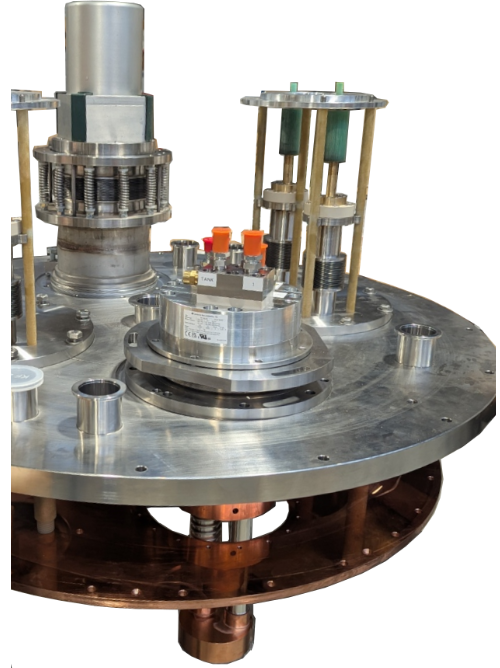
Design of a new kA-class variable-temperature cryostat for quench study.
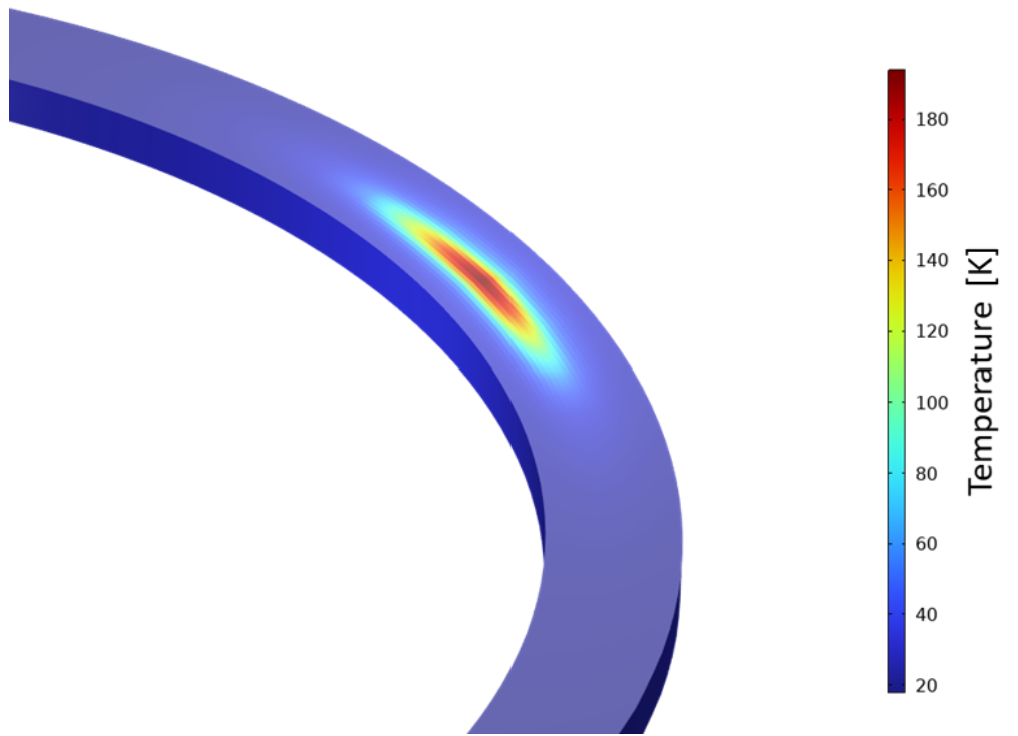
Update of HTS Quench model for 3D geometries.
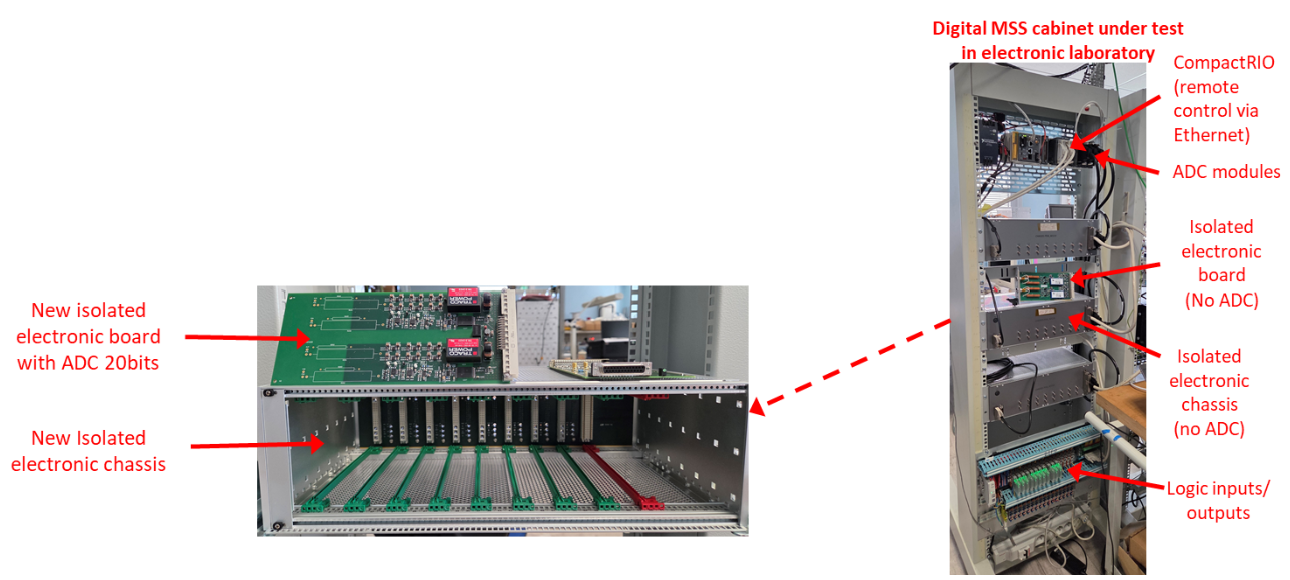
Development of high-resolution digital systems for magnet safety.