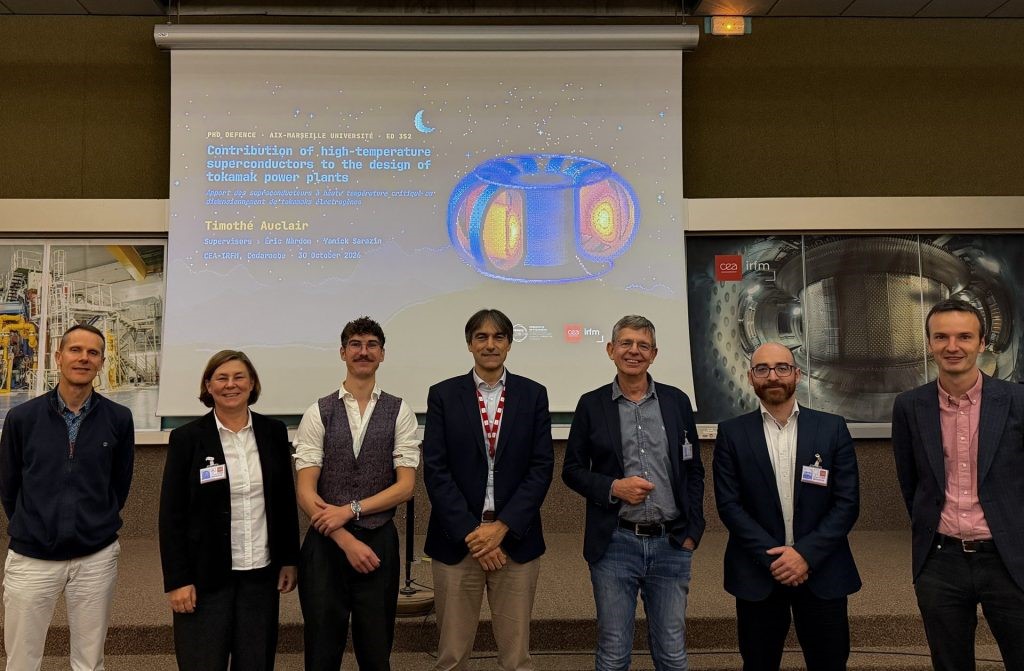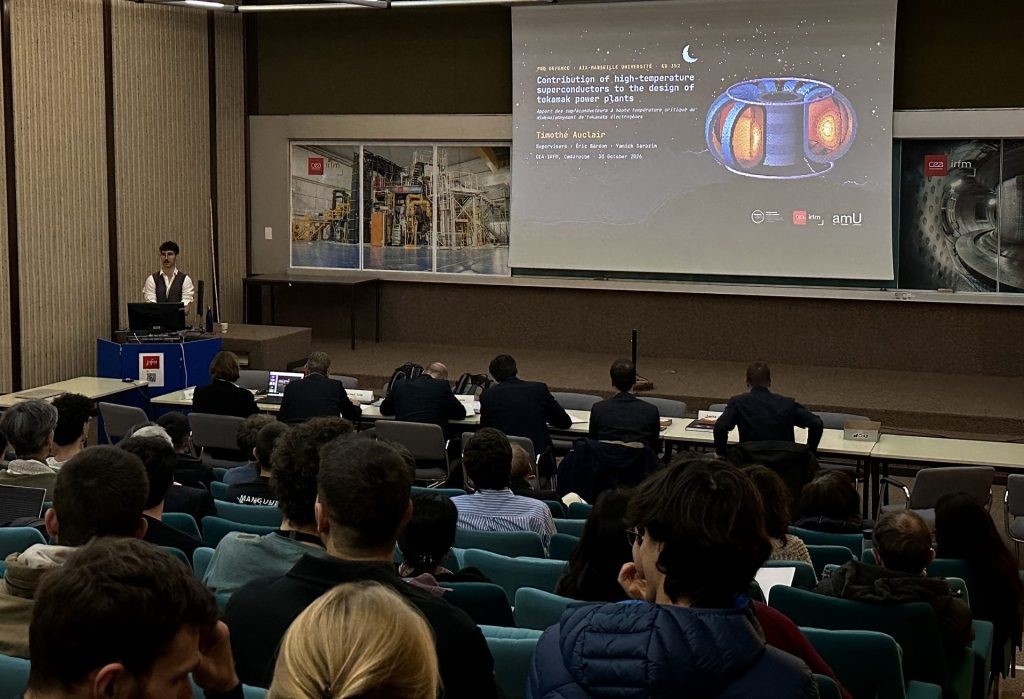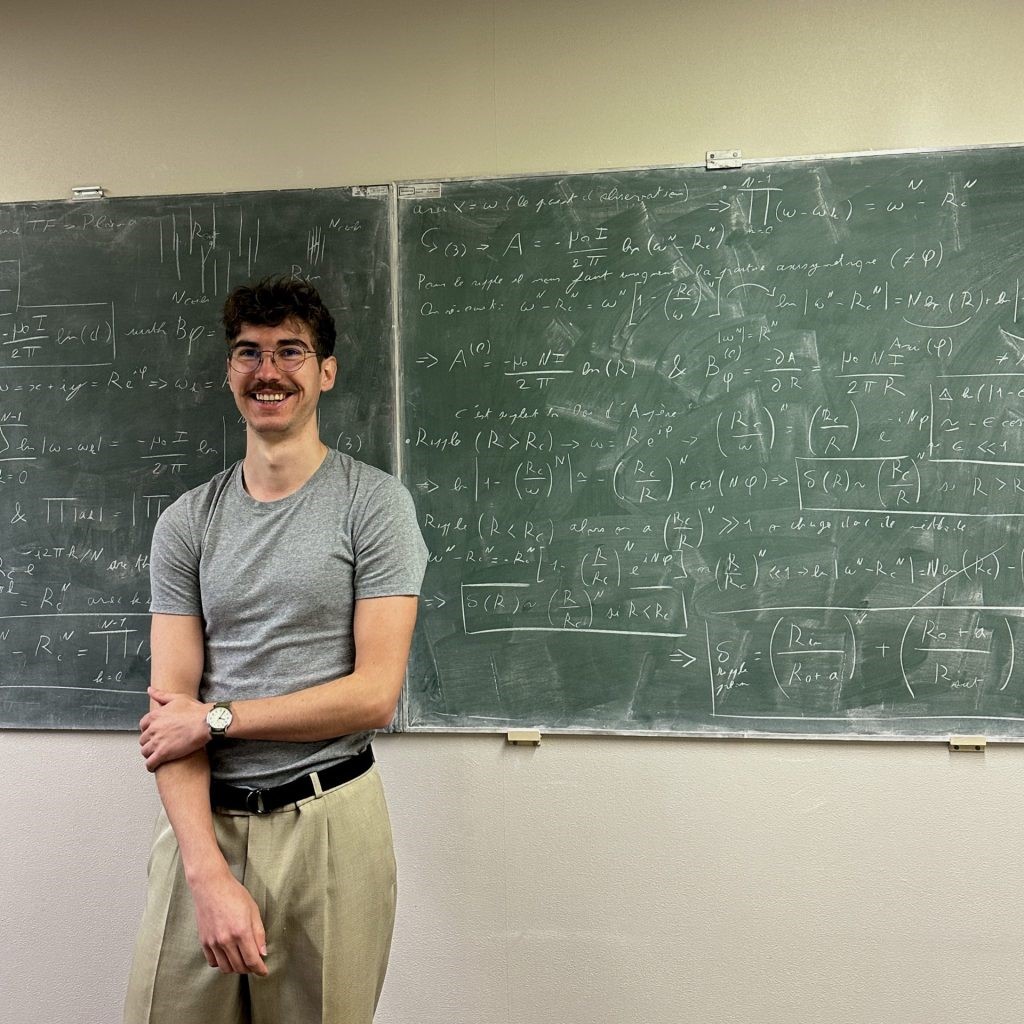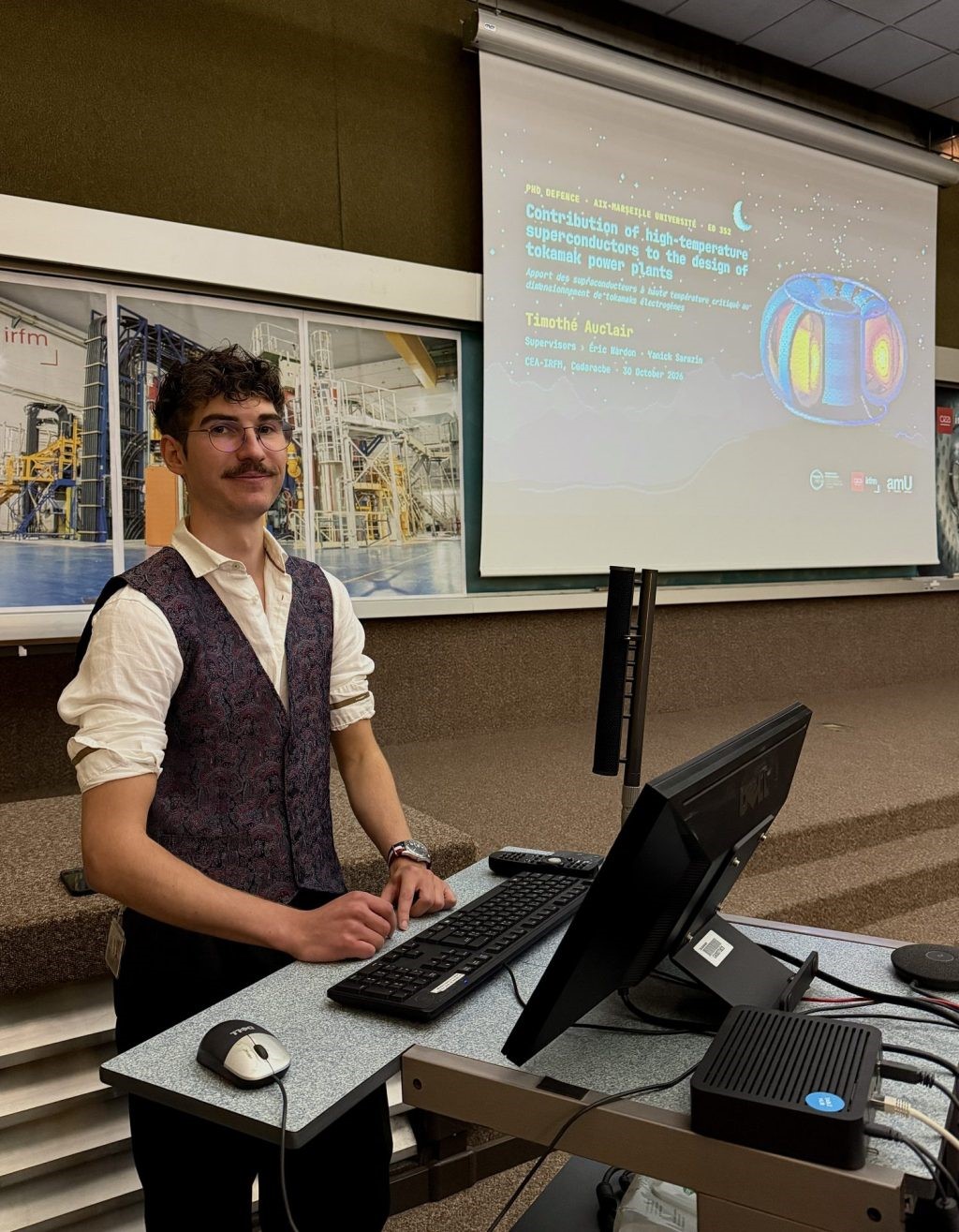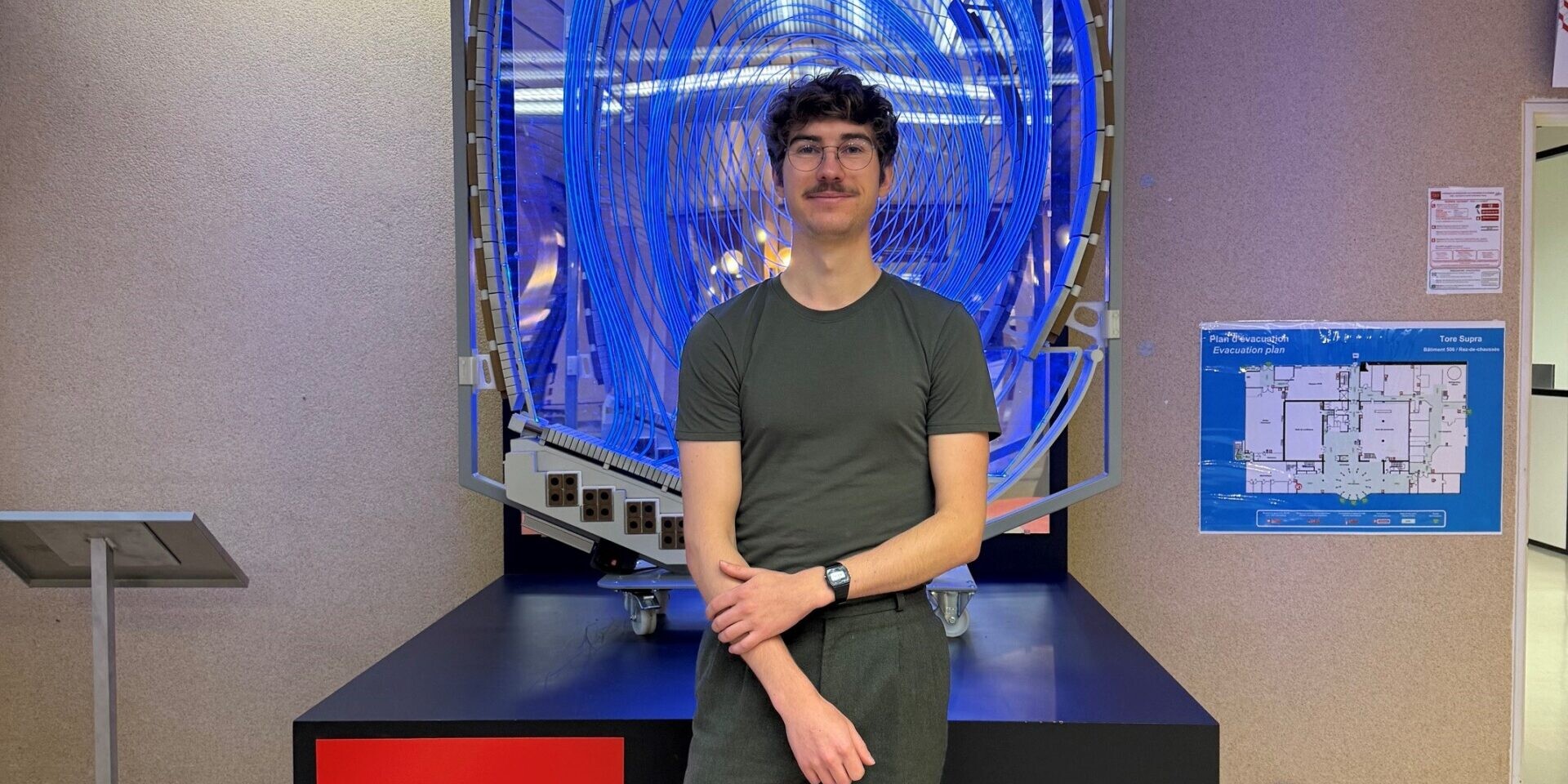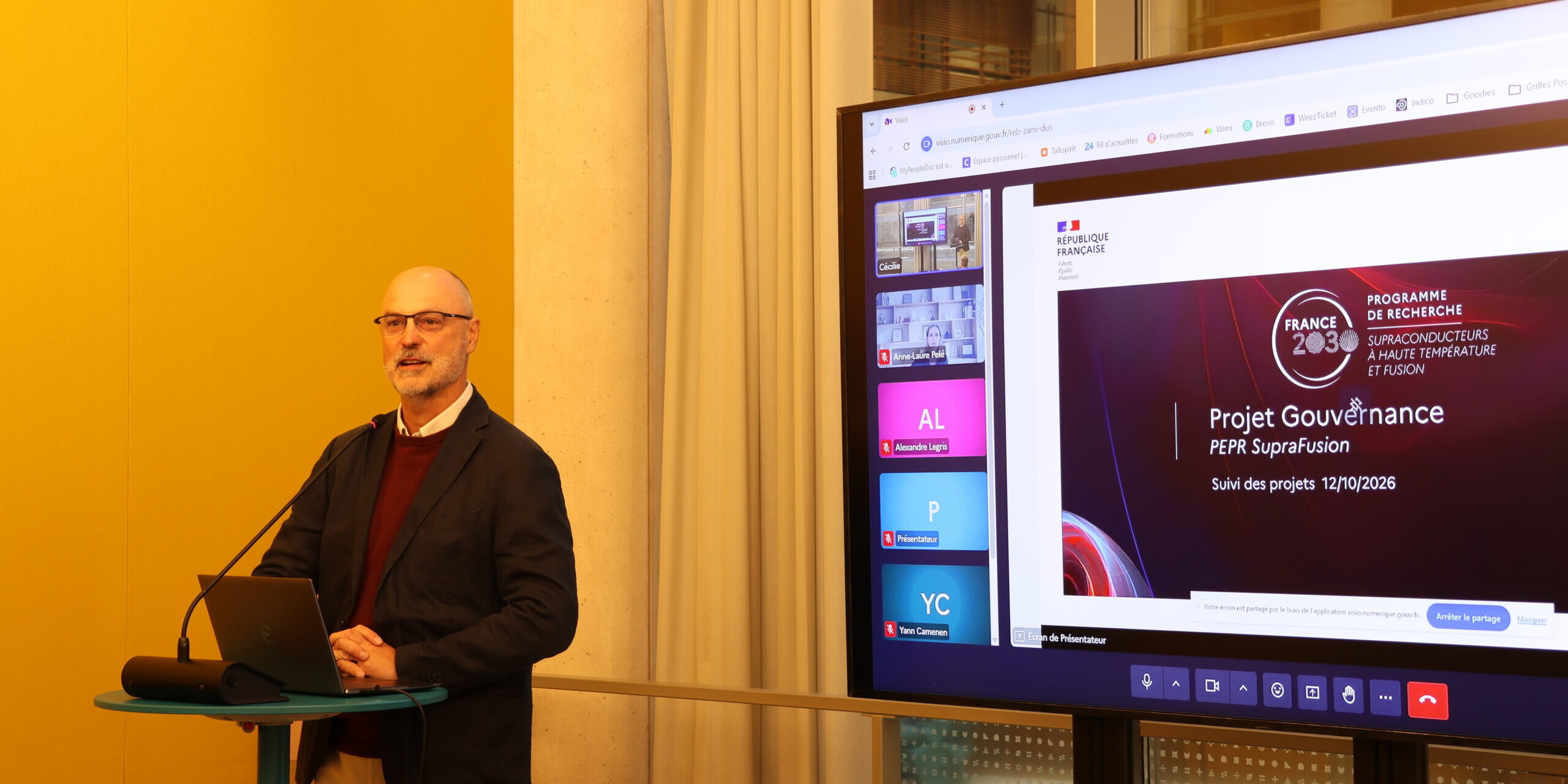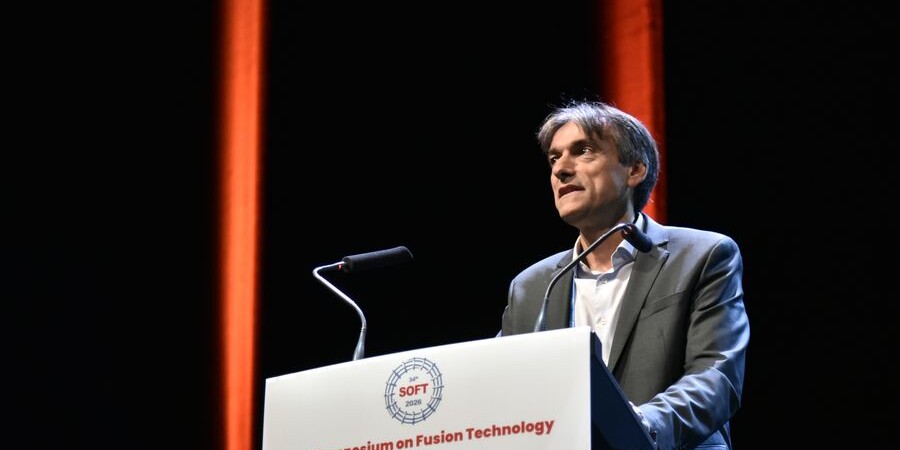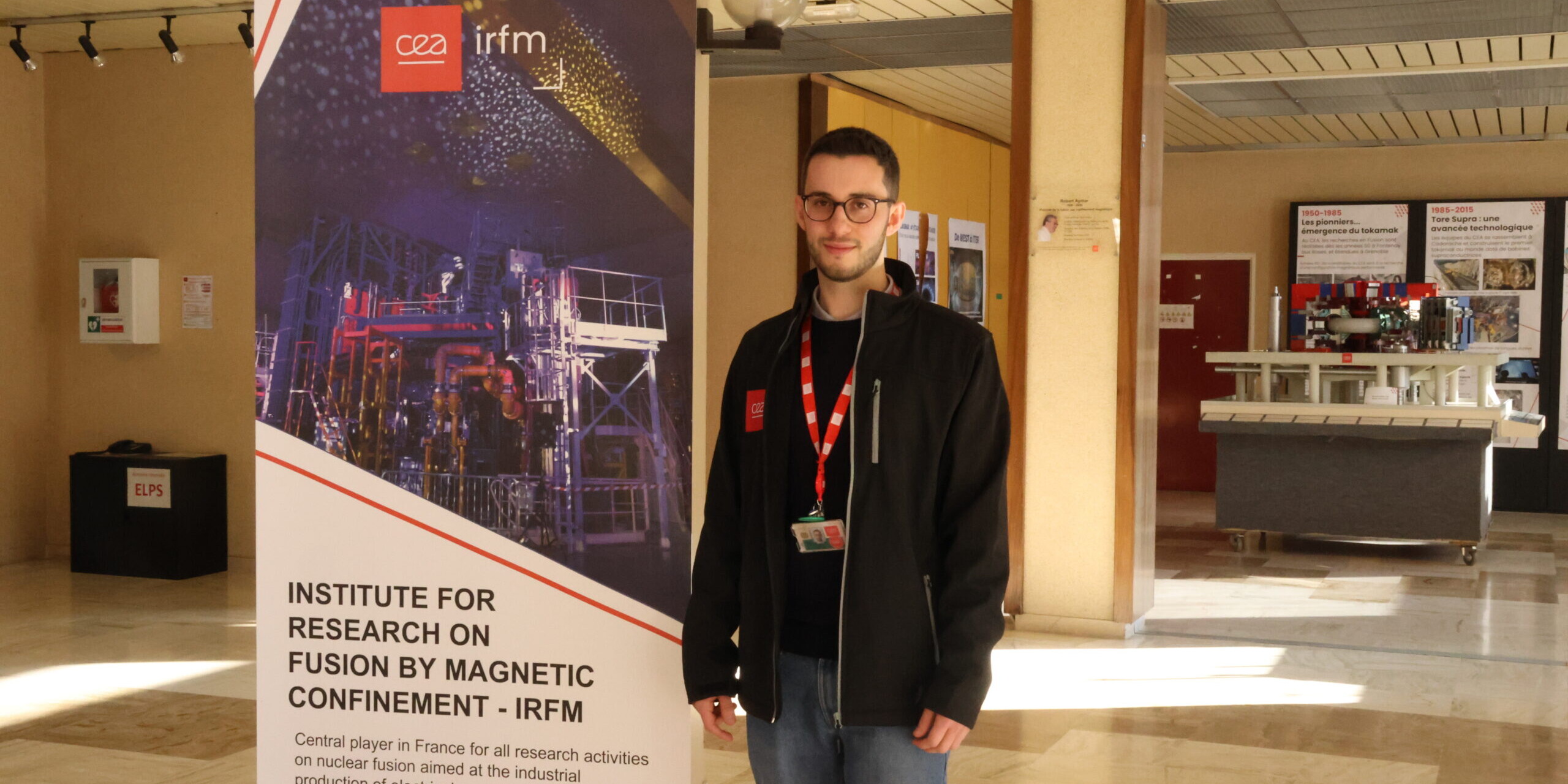


On Friday, October 30, 2026, Timothé Auclair successfully defended his dissertation on the contribution of high-critical-temperature superconductors to the design of power-generating tokamaks. He thus becomes the first PhD graduate from the PEPR SupraFusion program and the SF-Plant project, marking an important milestone for the program and its teams.
Superconductors for More Compact Fusion Power Plants
High-temperature superconductors (HTS) hold significant potential for the design of future fusion power plants. Capable of withstanding magnetic fields far stronger than those achievable with conventional superconductors, they could enable the design of more compact and potentially less expensive tokamaks.
However, the increase in the magnetic field also places considerable mechanical stress on the machine’s structures. Timothé Auclair’s research sought to address this issue.
D0FUS: an open-source tool for sizing tokamaks
As part of his thesis, Timothé developed D0FUS , an open source code written in Python, dedicated to the sizing of tokamaks.
This tool combines a plasma physics calculation chain—which, among other things, determines stability limits—with original electromechanical models for coil design. Validated module by module, D0FUS accurately reproduces the characteristics of several machines.
It has thus made it possible to identify the key factors for ensuring the viability of fusion reactors operating under high magnetic fields.
SF-Plant: Promising results for future fusion power plants
The results of this research find concrete application in SF-Plant , the fusion power plant project developed within the framework of the PEPR SupraFusion.
The proposed design meets the objectives set for EU-DEMO, with a fusion power of 2 GW and an energy amplification factor (Q) greater than 40, while exhibiting particularly promising characteristics:
- A radius of 6 meters, compared to 9 meters for EU-DEMO;
- An estimated investment cost that is approximately 40% lower.
These results illustrate the potential of high-critical-temperature superconductors and offer concrete prospects for the design of future fusion power plants.
A scientific adventure that continues
After completing his dissertation, Timothé Auclair will continue his work, in part in Cadarache, at the startup Firefly Fusion, where he will help launch the company and contribute to its design.
This first thesis defense marks an important milestone for the SupraFusion PEPR and demonstrates the scientific momentum driven by its projects.
Check out Timothé in “Les Thésards de SupraFusion”!
You may have already seen Timothé in our video series “Les Thésards de SupraFusion, ” which gives a voice to the doctoral students contributing to the program’s scientific advances.
To learn more about his background, his research, and his work on the SF-Plant project, check out his interview:
👉 Watch the interview with Timothé Auclair – SupraFusion PhD Students
A jury with international expertise
The defense took place before a panel of international experts in nuclear fusion and related sciences:
- Chair of the Jury: Elisabeth Wolfrum – Institute of Applied Physics, TU Wien (Austria)
- Reviewer: Hartmut Zohm – Max Planck Institute for Plasma Physics (Germany)
- Reviewer: Carlos Paz-Soldan – Department of Applied Physics and Applied Mathematics, Columbia University (United States)
- Examiner: Matti Coleman – UK Atomic Energy Authority (United Kingdom)
- Examiner: Jérôme Bucalossi – Institute Director, CEA IRFM (France)
- Thesis Advisor: Eric Nardon – CEA IRFM (France)
- Co-advisor: Yanick Sarazin – CEA IRFM (France)
- Guest Speaker: Alexander Creely – Commonwealth Fusion Systems (United States)
👏 Congratulations to Timothé Auclair on this great achievement, as well as to his advisors and all the teams who contributed to this work!